
Michelle Pellin
LMHC, LPCConnecticut · 11 yrs exp
Hope-focused counselor for life changes
Stress, Anxiety · Parenting · Self esteem · Depression · +16 more
Read profileTherapist listings are provided by BetterHelp. We will earn a commission at no additional cost to you if you use our links to purchase.
This page groups practitioner profiles that list intellectual disability or Disability among their focus areas. Visitors may compare focus areas, therapeutic approaches, languages, credentials and listed location before browsing individual profiles.
Browse the profiles to explore options and learn what questions to ask when contacting a practitioner.
Connecticut · 11 yrs exp
Hope-focused counselor for life changes
Stress, Anxiety · Parenting · Self esteem · Depression · +16 more
Read profile
Alabama · 22 yrs exp
Calm, practical therapy for everyday challenges
Stress, Anxiety · Trauma and abuse · Anger · Self esteem · +16 more
Read profile
New York · 22 yrs exp
Experienced LCSW focused on practical support
Stress, Anxiety · Relationship · Grief · Depression · +7 more
Read profile
Missouri · 16 yrs exp
Compassionate LCSW helping people find direction
Stress, Anxiety · Trauma and abuse · Self esteem · Bipolar · +12 more
Read profile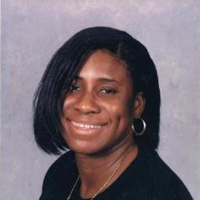
New York · 35 yrs exp
Compassionate LCSW supporting life challenges
Stress, Anxiety · Self esteem · Career · ADHD · +10 more
Read profile
Utah · 20 yrs exp
Experienced LCSW offering practical, compassionate care
Stress, Anxiety · Relationship · Grief · Depression · +12 more
Read profile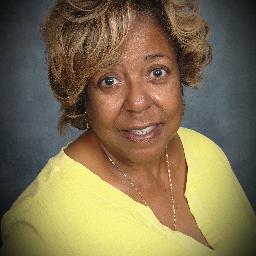
Georgia · 17 yrs exp
Practical, person-centered counseling for complex needs
Relationship · Family · Trauma and abuse · Career · +13 more
Read profile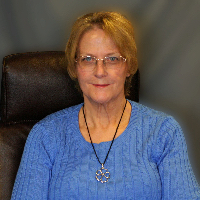
Utah · 25 yrs exp
Practical, values-focused therapy for everyday life
Stress, Anxiety · Family · Trauma and abuse · Anger · +15 more
Read profile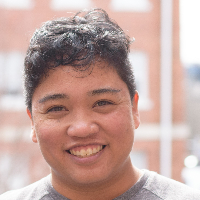
North Carolina · 10 yrs exp
Down-to-earth counselor blending body and mind work
Stress, Anxiety · LGBT · Relationship · Coping with life changes · +13 more
Read profile
Arkansas · 44 yrs exp
Seasoned LCSW-C offering practical, flexible care
Stress, Anxiety · Trauma and abuse · Grief · Self esteem · +16 more
Read profile
Idaho · 9 yrs exp
Compassionate, practical therapy for everyday challenges
Stress, Anxiety · Trauma and abuse · Anger · Depression · +13 more
Read profile
New York · 25 yrs exp
Experienced LCSW focusing on practical support
Stress, Anxiety · Grief · Anger · Self esteem · +6 more
Read profile
Texas · 8 yrs exp
Compassionate, practical counseling for everyday challenges
Stress, Anxiety · Self esteem · Career · Depression · +8 more
Read profile
Washington · 24 yrs exp
Experienced Washington LMHC focused on practical change
Stress, Anxiety · Family · Trauma and abuse · Parenting · +11 more
Read profile
Wisconsin · 8 yrs exp
Compassionate Wisconsin social worker
Stress, Anxiety · Trauma and abuse · Self esteem · Depression · +16 more
Read profile
Florida · 32 yrs exp
Experienced Florida LCSW who adapts to your needs
Stress, Anxiety · Trauma and abuse · Grief · Depression · +14 more
Read profile
New York · 25 yrs exp
Practical therapies for common life challenges
Stress, Anxiety · Relationship · Family · Trauma and abuse · +15 more
Read profile
Oklahoma · 9 yrs exp
Calm, practical therapy for everyday challenges
Stress, Anxiety · Anger · Self esteem · Coping with life changes · +16 more
Read profile
Florida · 19 yrs exp
Practical, strengths-based therapy for life changes
Stress, Anxiety · Trauma and abuse · Grief · Depression · +9 more
Read profile
Texas · 12 yrs exp
Practical, affirming therapy for life’s hard moments
Stress, Anxiety · Addictions · Relationship · Trauma and abuse · +14 more
Read profile
California · 8 yrs exp
Body-centered therapy for stress and recovery
Stress, Anxiety · Addictions · Trauma and abuse · Parenting · +11 more
Read profile
Illinois · 26 yrs exp
Calm, practical counseling with skill building
Stress, Anxiety · Addictions · Anger · Self esteem · +13 more
Read profile
Michigan · 40 yrs exp
Practical, person-centered therapy for everyday challenges
Stress, Anxiety · Family · Grief · Self esteem · +16 more
Read profile
New Mexico · 4 yrs exp
Compassionate, practical therapy for real-life struggles
Stress, Anxiety · Relationship · Trauma and abuse · Intimacy-related issues · +11 more
Read profileThis directory page collects profiles of practitioners who indicate intellectual disability or Disability among their focus areas. That listing is an entry point for you to learn how each practitioner frames their work, what approaches they mention, and which languages and regions they list. It is not an assessment of qualification beyond what the practitioner writes on their profile, and it does not substitute for a direct conversation about the specific support you or the person you care for needs.
When you read profiles, think of them as snapshots that describe a practitioner's interests, background and the way they talk about their work. Some profiles will emphasise emotional support and relationship-focused therapy, while others may highlight coping skills, stress management or collaborative work with carers. The profiles are intended to help you narrow options and prepare questions, not to promise a particular outcome or service. Use the listed location to understand geographic context and the profile details to identify practitioners who describe experience or approaches that match the priorities you have for therapy.
Many adults and the family members or carers who support them are looking for help with emotional wellbeing, navigating relationship challenges, building independence and managing everyday stress. You might look for a practitioner who speaks in ways that feel accessible, who can help you explore feelings about identity, grief or life transitions, or who can support communication differences in relationships. If you are a carer, you may seek guidance on coping with caregiver stress, setting boundaries, or improving collaborative problem solving with the person you support, while respecting their autonomy.
People often want help improving practical emotional skills such as self-regulation, planning for stressful situations and strengthening social connections. Others are looking for a calm space to process frustration, loss or changes in routine. The right fit depends on how you prefer to communicate, whether you want to involve a carer or family member in sessions, and how the practitioner adapts their language and pace to meet the needs of the person attending. Profiles can indicate a practitioner's focus, but you should ask how they tailor their work for adults with an intellectual disability and for carers who participate in support.
When a profile mentions an approach, treat that as a prompt for a more specific conversation. You might ask a practitioner to describe how they adapt an approach in practice. For example, you could say - I saw that you list CBT among your approaches - how do you adapt cognitive strategies for adults who prefer more visual or concrete explanations? Or - I noticed you list person-centered work - how do you make that approach accessible to someone who uses different communication supports? These kinds of questions invite concrete examples rather than abstract claims.
Ask about direct experience working with adults with an intellectual disability and with carers. Concrete questions include how long the practitioner has worked with adults who share similar support needs, whether they have experience with communication adaptations such as simplified language or visual aids, and how they involve carers when that is helpful. You can also ask whether a practitioner has worked with people from similar cultural or linguistic backgrounds, and how they handle language needs if a profile shows multiple spoken languages.
Clarify credentials carefully. Academic degrees such as PhD, PsyD, MD, MA or MSW indicate a level of education but do not by themselves establish a practitioner's permission to practise. If you want to know about regulatory status, ask whether the practitioner holds a US license and which state permits practice, or whether they are registered or a member of recognised professional bodies in the UK or Australia. Practitioners may list degrees and also state their registration, membership or licence details on their profile; follow up directly to understand which are current and relevant to your jurisdiction.
If you are planning to meet remotely, discuss the practical arrangements and supports you will need. Ask how the practitioner manages technology problems and what backup communication methods they recommend. You might say - If we meet by video, what happens if the call drops? - and ask about alternatives such as a phone check-in. Talk about how sessions will be structured, how pacing and breaks are handled, and what adaptations the practitioner can make for attention, sensory needs or different communication styles.
Discuss privacy and consent in ways that feel clear to you. Ask how the practitioner handles notes, who is included in communications outside sessions and how they will involve a carer if that is part of the plan. Confirm any jurisdictional considerations, for example whether you are in a different country or region than the practitioner's listed location and how that may affect practice or emergency planning. It is appropriate to ask what the practitioner recommends if an urgent situation arises and how they coordinate with local supports while respecting your preferences.
Before starting online care, agree on session length, any materials you may use together, and whether a carer will join all or part of sessions. If you use an interpreter or require language supports, raise that early so the practitioner can confirm how they will meet that need. Clear conversations up front help set expectations and reduce stress so you can focus on the therapeutic work.
Begin by scanning profiles for the specific focus areas that matter to you. Does the profile explicitly mention intellectual disability or Disability? What additional focus areas appear that might be relevant, such as relationship support, stress and coping, or carer support? Note which approaches are listed, remembering to treat them as conversation starters. For instance, you might compare practitioners who list mindfulness-informed approaches with those who list psychodynamic ideas, and then ask each practitioner how they would use those approaches in accessible ways.
Compare languages and cultural competence. If you or the person you support speak a language other than the practitioner's primary language, look for profiles that list matching languages or experience working with bilingual people. If cultural factors are important, ask practitioners how their work honours cultural identity and whether they have experience with people from similar backgrounds.
Look at credentials and how they are described. Profiles may list academic degrees and also indicate regulatory status in the practitioner's country. For US-based practitioners ask about the type of licence and the state that issued it. For UK and Australian practitioners ask about registration or professional body membership. Remember that a degree such as PhD, PsyD, MD, MA or MSW speaks to education, while licences, registration or memberships speak to current permission to practise in a jurisdiction - follow up with the practitioner if you need clarification.
Finally, consider style. Profiles sometimes include a short description of how a practitioner works in sessions. You can compare whether practitioners describe a more directive or exploratory stance, whether they emphasise collaboration with carers, and how they characterise goals - for example emotional regulation, relationship building, or practical coping strategies. Use that language to form specific questions: How would you support someone who needs more concrete steps? How do you involve a carer when requested? These comparisons will help you choose which profiles to contact and what to discuss first.
Profiles are tools to help you prepare for a conversation, not a guarantee of a particular service. As you browse, gather the details that matter to you - focus areas, approaches listed as part of a practitioner's repertoire, languages, listed location and credentials - and use the concrete questions suggested here when you reach out. A short preliminary conversation can often clarify whether a practitioner's way of working aligns with your priorities for emotional support, coping, relationships and independence.
When you are ready, use the profiles to make initial contact and begin the conversation about how a practitioner can adapt their approach to meet the needs of an adult with an intellectual disability and the carers who support them.
Alabama
22 therapists
Alaska
2 therapists
Arizona
25 therapists
Arkansas
15 therapists
Australia
67 therapists
California
115 therapists
Colorado
50 therapists
Connecticut
11 therapists
Delaware
6 therapists
District of Columbia
3 therapists
Florida
164 therapists
Georgia
33 therapists
Hawaii
6 therapists
Idaho
18 therapists
Illinois
78 therapists
Indiana
36 therapists
Iowa
8 therapists
Kansas
16 therapists
Kentucky
25 therapists
Louisiana
38 therapists
Maine
8 therapists
Maryland
25 therapists
Massachusetts
23 therapists
Michigan
81 therapists
Minnesota
29 therapists
Mississippi
18 therapists
Missouri
57 therapists
Montana
13 therapists
Nebraska
2 therapists
Nevada
8 therapists
New Hampshire
3 therapists
New Jersey
46 therapists
New Mexico
7 therapists
New York
107 therapists
North Carolina
75 therapists
North Dakota
4 therapists
Ohio
45 therapists
Oklahoma
35 therapists
Oregon
11 therapists
Pennsylvania
74 therapists
Rhode Island
3 therapists
South Carolina
25 therapists
South Dakota
5 therapists
Tennessee
28 therapists
Texas
182 therapists
United Kingdom
447 therapists
Utah
19 therapists
Vermont
3 therapists
Virginia
34 therapists
Washington
19 therapists
West Virginia
7 therapists
Wisconsin
40 therapists
Wyoming
6 therapists