
Marc Rott
LCSWOregon · 26 yrs exp
Thoughtful, experienced LCSW focused on relationships
Stress, Anxiety · Relationship · Family · Parenting · +8 more
Read profileTherapist listings are provided by BetterHelp. We will earn a commission at no additional cost to you if you use our links to purchase.
Compare profiles of professionals who list intellectual disability in Oregon to find practitioners whose focus areas and approaches match personal needs. Browse the profiles to review focus areas, languages, credentials and therapeutic style before contacting a practitioner.
Oregon · 26 yrs exp
Thoughtful, experienced LCSW focused on relationships
Stress, Anxiety · Relationship · Family · Parenting · +8 more
Read profile
Oregon · 10 yrs exp
Compassionate counselor who listens first
Bipolar · Coping with life changes · Coaching · Compassion fatigue · +16 more
Read profile
Oregon · 6 yrs exp
Caley Markuson LPC LCPC - Practical, person-centered counseling
Stress, Anxiety · Self esteem · Career · Depression · +5 more
Read profile
Oregon · 20 yrs exp
LCSW helping people navigate stress and loss
Stress, Anxiety · Relationship · Trauma and abuse · Grief · +1 more
Read profile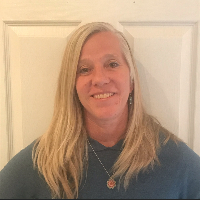
Oregon · 17 yrs exp
Compassionate social worker focusing on practical support
Stress, Anxiety · Grief · Bipolar · Depression · +12 more
Read profile
Oregon · 7 yrs exp
Practical, relationship-focused counseling for life changes
Stress, Anxiety · Addictions · Trauma and abuse · Grief · +10 more
Read profile
Oregon · 30 yrs exp
Experienced LCSW focused on practical skills
Stress, Anxiety · Addictions · Trauma and abuse · Depression · +13 more
Read profile
Oregon · 14 yrs exp
Listening, clarity, and practical change
Stress, Anxiety · Relationship · Grief · Depression · +7 more
Read profile
Oregon · 12 yrs exp
Supportive counseling for life transitions
Addictions · Relationship · Family · Trauma and abuse · +12 more
Read profile
Oregon · 21 yrs exp
Calm, practical counseling for life challenges
Stress, Anxiety · Family · Depression · Coping with life changes · +7 more
Read profile
Oregon · 12 yrs exp
Therapist using collaborative evidence-based care
Stress, Anxiety · Addictions · Self esteem · Depression · +1 more
Read profileWhen you begin searching, it helps to be specific about what you or the person you support hopes to address in therapy. Many people look for emotional support around stress, social relationships, coping with life transitions, or building greater independence in daily activities. Others focus on managing anxiety, grief, or changes in routines that affect wellbeing. Saying in your own words what matters most - such as improving communication with family, finding strategies for handling sensory overload, or developing more confidence to take part in community activities - will make it easier to compare profiles and identify practitioners who list relevant focus areas.
Think about how you prefer to work with a practitioner. Some people want a collaborative, goal-focused approach that includes practical skills and role practice. Others value a therapist who emphasizes listening, emotional validation, and working at a comfortable pace. If you are supporting someone else, consider whether joint sessions with a carer or separate caregiver consultations are important. These preferences will shape the types of approaches and therapeutic styles you will want to prioritise when looking through profiles.
Profiles on this site are grouped under a listed location such as Oregon, but that grouping does not by itself prove an active office, physical proximity, or current permission to practice in that state. Always check an individual profile carefully and confirm directly with the practitioner that they are permitted to work with you where you live. In cross-jurisdictional situations - for example when some practitioners have profiles covering locations in multiple countries - ask how their regional permission to practice applies to your situation.
When you read credentials, distinguish academic degrees from professional permission to practise. Degrees such as PhD, PsyD, MA or MSW indicate educational attainment. Licenses, registrations, or memberships refer to the professional permissions that vary by country and region. In the United States those permissions are issued at the state level and may be described with abbreviations such as LPC, LCSW, LMFT or similar labels depending on the field and state. In the United Kingdom and Australia you may see references to professional registration or membership in national bodies. A degree alone does not confirm current permission to practise where you live, so it is reasonable to ask a practitioner to clarify both their qualifications and the jurisdictional scope of their practice.
Profiles will often list therapeutic approaches and additional focus areas. Use those entries as starting points for specific questions. Rather than assuming training or certification, ask practitioners to describe what they mean when they list a particular approach. For example, you could ask how they adapt approaches they list for adults with intellectual disability, how they tailor communication and pacing, and what kinds of goals they commonly set in early sessions. Asking for examples of typical first steps can help you imagine how the work might feel.
It is also useful to ask about direct experience. You might ask how long the practitioner has worked with adults who have intellectual disability or similar support needs, what settings that work has taken place in, and how they involve carers or supporters when appropriate. Concrete questions about day-to-day practice - such as how they check understanding during a session, how they approach sensory considerations, or how they support decision-making and autonomy - will give you clearer information than general statements. If language or cultural factors matter to you, ask about experience in that language or with similar cultural backgrounds and whether they list additional languages on their profile.
If you are considering online or remote sessions, there are practical and legal matters to discuss before beginning. Confirm with the practitioner whether they can work with you in your state or country and explain how their listed Oregon location applies to telehealth arrangements. Discuss the technology you will use, what to do if connections drop, and what types of communication will be used during sessions. If the person receiving support needs aids for communication, sensory adjustments, or a caregiver to be present during sessions, discuss those needs in advance so the practitioner can describe how they will support those accommodations.
Also talk about privacy and the physical setting where sessions will take place. Decide together where sessions will be held so that the person can participate with minimal distractions and feel comfortable. It is appropriate to ask how the practitioner handles situations where urgent support is needed between sessions, how they work with local services if required, and how they involve supporters in planning and follow-up. These practical arrangements will shape whether an online approach feels workable and safe for your circumstances.
When comparing profiles, look beyond single keywords and read how practitioners describe their focus and style. A profile may list intellectual disability among several additional focus areas; read any summary text to understand whether the practitioner emphasises emotional support, coping skills, relationship work, or independence-focused goals. Consider which focus aligns with your immediate priorities and which might support longer term aims. Profiles that list language options can make a meaningful difference if you prefer therapy in a language other than English or need simplified language and visual supports.
Compare credentials with an understanding that degrees and professional permissions are different pieces of information. If a profile lists a degree without a corresponding registration or licence, ask about the practitioner's current permission to practise in Oregon or in your jurisdiction. Look for descriptions of therapeutic style - whether the practitioner frames their work as collaborative and skills-based, reflective and exploratory, or structured around short-term goals - and imagine how that style would fit with the communication preferences of the person receiving support. It can be helpful to create your own comparison questions such as: How does this practitioner adapt sessions for sensory or communication needs? How do they involve carers or supporters? What languages do they use in sessions? What are their stated priorities in early sessions?
Finally, remember that a listed topic on a profile is not evidence that a practitioner offers assessments, diagnostic testing, legal advice, or educational programming. Profiles are starting points for conversations. After narrowing down profiles that seem like a good fit, contact the practitioners to ask about their scope of work, whether they can work with you where you live, and how they approach the specific concerns you identified. Taking these steps will help you make a more informed choice about who to speak with first as you seek emotional support and practical strategies tailored to your needs in Oregon.
ADHD
1417 therapists
Anger
1470 therapists
Autism
1419 therapists
Chronic Illness
1099 therapists
Depression
1976 therapists
Disability
1099 therapists
Grief
1625 therapists
Intellectual Disability
2227 therapists
Isolation / Loneliness
1755 therapists
Self Esteem
1930 therapists
Social Anxiety and Phobia
1739 therapists
Stress & Anxiety
2126 therapists
Trauma and Abuse
1799 therapists
Traumatic Brain Injury
662 therapists
Career
1350 therapists
Caregiver Issues and Stress
1544 therapists
Communication Problems
1835 therapists
Compassion Fatigue
1217 therapists
Coping with Life Changes
1799 therapists
Family
1617 therapists
Life Purpose
1774 therapists
Parenting
1441 therapists
Relationship
1749 therapists
Workplace Issues
1535 therapists