
Michelle Pellin
LMHC, LPCConnecticut · 11 yrs exp
Hope-focused counselor for life changes
Stress, Anxiety · Parenting · Self esteem · Depression · +16 more
Read profileTherapist listings are provided by BetterHelp. We will earn a commission at no additional cost to you if you use our links to purchase.
Use this page to compare professionals who list Life Purpose alongside intellectual disability as focus areas. Browse profiles to review listed location, approaches, credentials, languages, and personal style before reaching out.
Connecticut · 11 yrs exp
Hope-focused counselor for life changes
Stress, Anxiety · Parenting · Self esteem · Depression · +16 more
Read profile
South Carolina · 14 yrs exp
Practical therapy focused on real-life change
Stress, Anxiety · Parenting · Depression · Addictions · +14 more
Read profile
Louisiana · 7 yrs exp
Practical, person-centered therapy for life challenges
Stress, Anxiety · Family · Trauma and abuse · Parenting · +15 more
Read profile
New York · 22 yrs exp
Experienced LCSW focused on practical support
Stress, Anxiety · Relationship · Grief · Depression · +7 more
Read profile
Florida · 25 yrs exp
Experienced LMHC focused on practical support
Stress, Anxiety · Family · Grief · Self esteem · +12 more
Read profile
Missouri · 16 yrs exp
Compassionate LCSW helping people find direction
Stress, Anxiety · Trauma and abuse · Self esteem · Bipolar · +12 more
Read profile
North Carolina · 10 yrs exp
Counseling that connects mental health and faith
Stress, Anxiety · Relationship · Family · Bipolar · +16 more
Read profile
Texas · 6 yrs exp
Compassionate practical therapy for everyday life
Stress, Anxiety · Relationship · Parenting · Anger · +8 more
Read profile
Utah · 20 yrs exp
Experienced LCSW offering practical, compassionate care
Stress, Anxiety · Relationship · Grief · Depression · +12 more
Read profile
Georgia · 25 yrs exp
Experienced social worker focused on practical support
Stress, Anxiety · Parenting · Anger · Self esteem · +15 more
Read profile
Georgia · 17 yrs exp
Practical, person-centered counseling for complex needs
Relationship · Family · Trauma and abuse · Career · +13 more
Read profile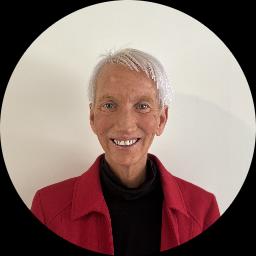
Pennsylvania · 15 yrs exp
Supportive counselor focused on practical change
Stress, Anxiety · Trauma and abuse · Sleeping · Self esteem · +9 more
Read profile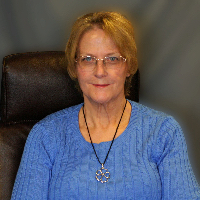
Utah · 25 yrs exp
Practical, values-focused therapy for everyday life
Stress, Anxiety · Family · Trauma and abuse · Anger · +15 more
Read profile
North Carolina · 10 yrs exp
Down-to-earth counselor blending body and mind work
Stress, Anxiety · LGBT · Relationship · Coping with life changes · +13 more
Read profile
Arkansas · 44 yrs exp
Seasoned LCSW-C offering practical, flexible care
Stress, Anxiety · Trauma and abuse · Grief · Self esteem · +16 more
Read profile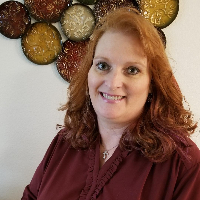
Idaho · 9 yrs exp
Compassionate, practical therapy for everyday challenges
Stress, Anxiety · Trauma and abuse · Anger · Depression · +13 more
Read profile
Texas · 5 yrs exp
Compassionate, practical support for everyday struggles
Stress, Anxiety · Relationship · Family · Trauma and abuse · +9 more
Read profile
Texas · 8 yrs exp
Compassionate, practical counseling for everyday challenges
Stress, Anxiety · Self esteem · Career · Depression · +8 more
Read profile
Wisconsin · 8 yrs exp
Compassionate Wisconsin social worker
Stress, Anxiety · Trauma and abuse · Self esteem · Depression · +16 more
Read profile
Michigan · 15 yrs exp
Practical, collaborative therapy for everyday challenges
Stress, Anxiety · LGBT · Relationship · Depression · +16 more
Read profile
Texas · 17 yrs exp
Hope-focused counselor guiding practical change
Stress, Anxiety · Addictions · Self esteem · Bipolar · +15 more
Read profile
New York · 25 yrs exp
Practical therapies for common life challenges
Stress, Anxiety · Relationship · Family · Trauma and abuse · +15 more
Read profile
Oklahoma · 9 yrs exp
Calm, practical therapy for everyday challenges
Stress, Anxiety · Anger · Self esteem · Coping with life changes · +16 more
Read profile
Florida · 19 yrs exp
Practical, strengths-based therapy for life changes
Stress, Anxiety · Trauma and abuse · Grief · Depression · +9 more
Read profileWhen you look for support around life purpose, you may be thinking about how daily routines, relationships, meaningful work and personal goals fit together. You might be navigating transitions - for example moving to a new home, changing day services, shifting social circles or considering how to spend more time on interests that matter to you. Carers and family members often search for ways to support emotional wellbeing, increase independence and reduce stress while affirming identity and dignity. Conversations may touch on motivation, self-expression, friendships, romantic relationships, leisure, volunteer work, paid employment or creative pursuits.
Therapy conversations that focus on purpose tend to be person-centered and practical. You can expect to discuss values, what energizes you, and the barriers that make it harder to pursue activities you find meaningful. If you are supporting someone else, you can raise how you can help without taking over goals. These are topics about quality of life and meaning rather than assessments or entitlement processes, and you should feel able to shape the pace, scope and practical aims of the work you choose to do.
This page groups professionals who list Life Purpose along with intellectual disability as focus areas in their profiles. That pairing reflects what practitioners report as areas they work with, but it is not evidence of specialist certification or a particular therapeutic outcome. Profiles may include a mix of clinical degrees, professional registrations and descriptions of experience - these distinctions matter when you compare options.
People with intellectual disability often experience common life questions about identity, routines and belonging that you can address in therapy-style conversations. That said, life purpose is not the same as diagnosis or assessment work. You can use a profile to find someone whose listed interests and communication approaches match your needs, then ask them directly about how they collaborate with adults who have cognitive or communication differences, and how they involve family or carers if that is appropriate for you.
When you contact a professional, clear, concrete questions help you compare profiles efficiently. Ask about experience with adults who have an intellectual disability and what that experience looked like in practice - for example whether they adapted communication, used visual aids or worked with carers to support goals. You can inquire whether they list particular approaches on their profile: for example, therapists who list CBT among their approaches may describe how they adapt techniques to simpler language, while therapists who list narrative therapy among their approaches may focus on personal stories and meaning.
Distinguish academic degrees from permission to practise. You can ask whether a person holds a clinical license or registration relevant to your region - some therapists hold licenses in the United States, while others list registration or professional membership in the United Kingdom or Australia. Degrees such as PhD, PsyD, MD, MA or MSW describe academic qualifications; whether a degree authorises practice depends on local rules and any additional registration. You might also ask how they collaborate with other services you use and how they measure progress together with you, using accessible language and mutually agreed goals.
If you are considering remote or online sessions, it helps to discuss practical and communication needs up front. Ask what technology platform the professional uses and whether it supports captioning, screen sharing or integration with augmentative and alternative communication tools if you rely on them. Clarify how they protect your personal information and what privacy measures are in place for digital records and video calls. You should also talk about where each person will be located during a session - your listed location and the practitioner’s listed location can affect legal and practice arrangements, so ask how they work across state or national borders.
Talk about who will be present in sessions. If a family member, carer or support worker will join, make sure everyone understands roles and boundaries. Agree on how to handle emergencies or unexpected disconnections - for example having a local contact number or a plan for re-connecting. You can also ask about session length, typical pacing, the use of written or visual summaries after sessions and how to tailor communication to your preferences. These practical conversations help set expectations and create a collaboration that respects your goals and comfort.
Comparing profiles is about matching what is listed to what matters to you. Start with focus areas: look for profiles that explicitly mention Life Purpose and intellectual disability, then read how practitioners describe their approach in plain terms. Pay attention to languages offered in the profile if you prefer to work in a language other than English, and note whether the therapist mentions experience with different communication supports. If the practitioner lists additional specialties, consider whether those align with your priorities - for example social connection, employment transitions or managing stress.
Review credentials with an eye to both degree and professional standing. Profiles often display academic degrees like MA, MSW, PhD or PsyD and may also indicate registration, licensing or membership for particular countries. Some therapists include statements about the jurisdictions where they are permitted to practise; you can ask them to clarify what their listed credentials mean where you live. Style and fit matter too - some professionals describe a strengths-based, practical or exploratory style. Think about whether you prefer a goal-focused approach, more open-ended reflection, or sessions that explicitly include carers in planning. Concrete comparison questions you can use include: How do you adapt communication for adults with an intellectual disability? What does a typical session look like when working on life purpose? Which languages do you work in? What professional registration or membership do you hold in my country or state? How do you involve family or carers when that is helpful?
Ultimately the profiles on this page are a starting point. Use them to narrow choices and prepare specific questions that reflect your needs, values and daily realities. Conversation with a practitioner about how they will work with you or the person you support is the clearest way to assess whether their listed focus areas, approaches and communication style are a good match for pursuing questions of meaning, independence and wellbeing.
Alabama
22 therapists
Alaska
2 therapists
Arizona
25 therapists
Arkansas
15 therapists
Australia
67 therapists
California
115 therapists
Colorado
50 therapists
Connecticut
11 therapists
Delaware
6 therapists
District of Columbia
3 therapists
Florida
164 therapists
Georgia
33 therapists
Hawaii
6 therapists
Idaho
18 therapists
Illinois
78 therapists
Indiana
36 therapists
Iowa
8 therapists
Kansas
16 therapists
Kentucky
25 therapists
Louisiana
38 therapists
Maine
8 therapists
Maryland
25 therapists
Massachusetts
23 therapists
Michigan
81 therapists
Minnesota
29 therapists
Mississippi
18 therapists
Missouri
57 therapists
Montana
13 therapists
Nebraska
2 therapists
Nevada
8 therapists
New Hampshire
3 therapists
New Jersey
46 therapists
New Mexico
7 therapists
New York
107 therapists
North Carolina
75 therapists
North Dakota
4 therapists
Ohio
45 therapists
Oklahoma
35 therapists
Oregon
11 therapists
Pennsylvania
74 therapists
Rhode Island
3 therapists
South Carolina
25 therapists
South Dakota
5 therapists
Tennessee
28 therapists
Texas
182 therapists
United Kingdom
447 therapists
Utah
19 therapists
Vermont
3 therapists
Virginia
34 therapists
Washington
19 therapists
West Virginia
7 therapists
Wisconsin
40 therapists
Wyoming
6 therapists