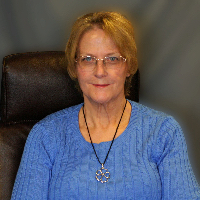
Therapist
Carol Gross
LCSW
Practical, values-focused therapy for everyday life
Opens BetterHelp in a new tab. There you can look at online therapy options.
Step 1
- Values-driven work
- Mindfulness practice
- Skill building
About Carol
Carol began her professional life as a computer system analyst and later moved into behavioral health. Her background led her to value clear tools and careful observation alongside listening and human connection. She often draws on Acceptance and Commitment Therapy, mindfulness, and cognitive-behavioral ideas to help people notice what matters to them and take small steps toward those values.
In sessions she helps people name their painful thoughts and feelings so those experiences stop directing every choice. She uses simple exercises to build skills for handling stress, coping with loss, and managing mood swings or substance use. Carol emphasizes learning practical behaviors that fit a person’s life and goals.
She also offers support around caregiving strain, chronic health-related challenges, body image, and relationship patterns such as codependency or communication problems. Her approach mixes talking, brief experiential exercises, and tools like the ACT Matrix when that is useful.
Carol works from an attitude that pain can teach and that small changes add up. She invites people to explore what they value, practice new ways of responding, and notice gradual shifts in daily life.
Step 2
Areas of expertise
Primary focus
Also works with
Additional focus areas
Therapeutic approaches
Experience
25+ years
Credentials
Utah
Languages
English
Step 3
How therapy approaches translate to online care
Acceptance and Commitment Therapy (ACT) helps people notice uncomfortable thoughts and feelings and then choose actions that match their values. It is useful for anxiety, depression, and life changes when someone wants clearer direction. Cognitive Behavioral Therapy (CBT) focuses on identifying unhelpful thinking and changing behaviors that keep problems going; it is often used for mood, anxiety, and sleep or eating troubles. Mindfulness Therapy teaches simple attention and breathing practices to reduce reactivity and improve focus during stressful moments.Finding the right approach is part of the work together. The therapist will listen to goals and try methods that fit a person's needs and preferences. Decisions about which techniques to use are collaborative and may change as progress is tracked.
Confirm current session options before booking because formats are not specified here. Online therapy can make it easier to fit sessions into a busy life, allow shorter check-ins when needed, and reduce travel time to appointments. It also lets people practice skills in day-to-day settings and bring real-life examples directly into sessions, which can speed up problem solving and habit change.
Step 4
Frequently asked questions
What kinds of concerns does Carol address?
She helps people with anxiety, depression, mood disorders, addictions, grief, ADHD, trauma, and related issues like sleep and eating struggles.
What is Carol's therapy style like?
Her style is practical and compassionate, combining Acceptance and Commitment Therapy, mindfulness, and cognitive-behavioral ideas to teach skills and clarify values.
How much experience does she have?
Carol has 25 years of clinical experience working in behavioral health and related fields.
What credentials and location are listed?
She is a Licensed Clinical Social Worker (LCSW) practicing in Utah.
Which languages are supported for sessions?
Sessions are offered in English.
Does Carol work with international clients?
She does not accept international clients at this time.
How are fees and billing handled?
Cost varies with location and therapist availability; sessions use a subscription that can be canceled at any time.
How do I begin working with Carol?
Click the Start Therapy button, complete a short matching questionnaire, and schedule according to therapist availability.
Step 5