
Michelle Pellin
LMHC, LPCConnecticut · 11 yrs exp
Hope-focused counselor for life changes
Stress, Anxiety · Parenting · Self esteem · Depression · +16 more
Read profileTherapist listings are provided by BetterHelp. We will earn a commission at no additional cost to you if you use our links to purchase.
This specialty page groups professionals who list Compassion Fatigue among their focus areas and who indicate experience with adults with intellectual disability. Browse profiles to compare listed location, therapeutic approaches, languages, and professional credentials before contacting a clinician.
Connecticut · 11 yrs exp
Hope-focused counselor for life changes
Stress, Anxiety · Parenting · Self esteem · Depression · +16 more
Read profile
Alabama · 22 yrs exp
Calm, practical therapy for everyday challenges
Stress, Anxiety · Trauma and abuse · Anger · Self esteem · +16 more
Read profile
South Carolina · 14 yrs exp
Practical therapy focused on real-life change
Stress, Anxiety · Parenting · Depression · Addictions · +14 more
Read profile
Louisiana · 7 yrs exp
Practical, person-centered therapy for life challenges
Stress, Anxiety · Family · Trauma and abuse · Parenting · +15 more
Read profile
Florida · 25 yrs exp
Experienced LMHC focused on practical support
Stress, Anxiety · Family · Grief · Self esteem · +12 more
Read profile
Missouri · 16 yrs exp
Compassionate LCSW helping people find direction
Stress, Anxiety · Trauma and abuse · Self esteem · Bipolar · +12 more
Read profile
North Carolina · 10 yrs exp
Counseling that connects mental health and faith
Stress, Anxiety · Relationship · Family · Bipolar · +16 more
Read profile
New York · 35 yrs exp
Compassionate LCSW supporting life challenges
Stress, Anxiety · Self esteem · Career · ADHD · +10 more
Read profile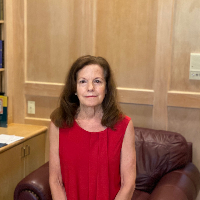
Massachusetts · 25 yrs exp
Collaborative, practical therapy focused on relationship
Stress, Anxiety · Relationship · Family · Self esteem · +14 more
Read profile
Utah · 20 yrs exp
Experienced LCSW offering practical, compassionate care
Stress, Anxiety · Relationship · Grief · Depression · +12 more
Read profile
Georgia · 25 yrs exp
Experienced social worker focused on practical support
Stress, Anxiety · Parenting · Anger · Self esteem · +15 more
Read profile
Utah · 25 yrs exp
Practical, values-focused therapy for everyday life
Stress, Anxiety · Family · Trauma and abuse · Anger · +15 more
Read profile
North Carolina · 10 yrs exp
Down-to-earth counselor blending body and mind work
Stress, Anxiety · LGBT · Relationship · Coping with life changes · +13 more
Read profile
Arkansas · 44 yrs exp
Seasoned LCSW-C offering practical, flexible care
Stress, Anxiety · Trauma and abuse · Grief · Self esteem · +16 more
Read profile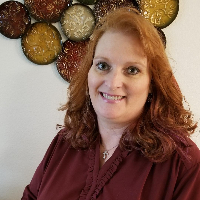
Idaho · 9 yrs exp
Compassionate, practical therapy for everyday challenges
Stress, Anxiety · Trauma and abuse · Anger · Depression · +13 more
Read profile
New York · 25 yrs exp
Experienced LCSW focusing on practical support
Stress, Anxiety · Grief · Anger · Self esteem · +6 more
Read profile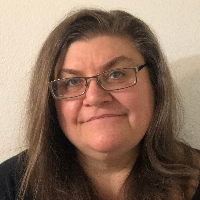
Washington · 24 yrs exp
Experienced Washington LMHC focused on practical change
Stress, Anxiety · Family · Trauma and abuse · Parenting · +11 more
Read profile
Wisconsin · 8 yrs exp
Compassionate Wisconsin social worker
Stress, Anxiety · Trauma and abuse · Self esteem · Depression · +16 more
Read profile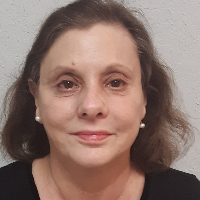
Florida · 32 yrs exp
Experienced Florida LCSW who adapts to your needs
Stress, Anxiety · Trauma and abuse · Grief · Depression · +14 more
Read profile
Michigan · 15 yrs exp
Practical, collaborative therapy for everyday challenges
Stress, Anxiety · LGBT · Relationship · Depression · +16 more
Read profile
Texas · 17 yrs exp
Hope-focused counselor guiding practical change
Stress, Anxiety · Addictions · Self esteem · Bipolar · +15 more
Read profile
New York · 25 yrs exp
Practical therapies for common life challenges
Stress, Anxiety · Relationship · Family · Trauma and abuse · +15 more
Read profile
Oklahoma · 9 yrs exp
Calm, practical therapy for everyday challenges
Stress, Anxiety · Anger · Self esteem · Coping with life changes · +16 more
Read profile
California · 8 yrs exp
Body-centered therapy for stress and recovery
Stress, Anxiety · Addictions · Trauma and abuse · Parenting · +11 more
Read profileCompassion fatigue refers to the emotional and physical exhaustion that can come from prolonged caring for others who are experiencing distress. You may notice increased tiredness, irritability, trouble sleeping, or feeling emotionally numb. If you support an adult with an intellectual disability - whether as a family member, an unpaid carer, or a paid support worker - these reactions can build gradually and affect relationships, daily routines, and your own sense of wellbeing.
Seeking help does not mean there is something wrong with the person you care for; it means you are noticing the effects of sustained stress and are looking for ways to manage it. Therapy can offer a space to explore emotions, set boundaries, rebuild energy, and strengthen the practical and relational skills you use every day. When reading profiles on this page, look for how each clinician describes their focus on emotional support, stress management, relationships, and sustaining caregiving roles without suggesting any one approach is the only option.
Caregiving in the context of intellectual disability often involves coordinating supports, communicating across services, and advocating for needs. These tasks can add to the emotional labour of caregiving and contribute to persistent stress. Compassion fatigue is not caused by intellectual disability itself, but it can arise from the cumulative pressures associated with long-term support roles. You might experience grief about lost expectations, frustration with systemic barriers, or worry about future planning - these are common themes that come up in sessions.
Profiles on this site show clinicians who list both Compassion Fatigue and intellectual disability among their focus areas; that listing indicates a professional interest but is not evidence of specialist certification or particular therapeutic outcomes. Use that information as a starting point for comparison and a prompt for questions you can ask directly during an initial conversation. A good match will be someone who recognises the specific stressors you face and is willing to discuss how they adapt their approach to the realities of your life.
Before you contact a therapist, identify practical questions that matter to you. Ask how they describe their experience with Compassion Fatigue and with adults who have an intellectual disability. You can inquire whether they work directly with carers, with the person receiving support, or with both, and how they involve support networks in therapy. Phrase questions in ways that invite concrete answers - for example, "Can you describe the kinds of concerns you typically help carers address?" or "What adaptations do you make for communication or pace?"
When reviewing credentials, remember that academic degrees such as PhD, PsyD, MD, MA, or MSW indicate education but do not alone confirm current permission to practise. In the United States clinicians may hold professional licences such as LCSW, LPC, LMFT, or similar; in the United Kingdom clinicians may be registered with regulatory bodies or be Chartered members of professional societies; in Australia look for AHPRA registration or membership of recognised professional associations. Profiles often list both degrees and professional registrations or memberships - compare them and ask any clinician to clarify their current status and scope of practice.
If you are considering online or remote sessions, discuss practical and wellbeing considerations up front. Confirm what technology the clinician uses and what measures they take for privacy and data protection on their chosen platform. Talk about how they manage interruptions, whether a support person can join a session, and how information is shared if others are involved in care. Clear arrangements about camera use, session length, and how to handle crises or urgent concerns help set expectations.
Also ask how they adapt materials and communication for people with varying cognitive and communication needs. Some clinicians describe using simplified language, visual aids, or structured check-ins; others may work with you and the person you support to create goals that emphasise emotional wellbeing, practical coping strategies, and relationship dynamics. If involving a carer or family member is important to you, ask how they approach collaboration and consent in that context.
Comparing profiles is most useful when you know which features are priorities for you. Look for clinicians who list Compassion Fatigue alongside related focus areas such as stress management, grief, relationship support, or carer wellbeing, and note whether intellectual disability appears as an additional focus. Read profile descriptions for concrete examples of the kinds of issues the clinician addresses and the populations they work with, keeping in mind that a listed focus is a signal of interest rather than proof of specialisation.
Language ability and cultural awareness may be important to you. Profiles that list additional languages can help you find someone who can communicate in a preferred language or who understands cultural factors in caregiving. Consider therapeutic style as well - some clinicians emphasise emotion-focused support, others emphasise practical coping skills or relationship work. If a profile mentions particular approaches, such as trauma-aware care or family-centred work, think about how those options align with your priorities and prepare questions like "How do you balance emotional processing with practical problem solving?" or "How do you support carers in setting boundaries while maintaining relationships?"
Finally, pay attention to listed location as a practical detail that may matter for in-person sessions in the future, and use profile descriptions to form a shortlist of clinicians you want to contact. When you make contact, bring the concrete questions you prepared so you can judge fit based on direct responses rather than assumptions. Finding a clinician who understands the interplay between compassion fatigue and the realities of supporting an adult with intellectual disability can make it easier to explore coping strategies, strengthen support networks, and protect your emotional wellbeing over the long term.
Profiles on this site are a way to compare focus areas, approaches, credentials, languages, and listed location. A therapist listing intellectual disability or Compassion Fatigue among their areas of focus is not evidence of specialist certification or a guarantee of outcomes. Use profile information to guide your questions, and feel empowered to ask clinicians directly about their experience and how they would work with your particular circumstances before making a decision to proceed.
Alabama
22 therapists
Alaska
2 therapists
Arizona
25 therapists
Arkansas
15 therapists
Australia
67 therapists
California
115 therapists
Colorado
50 therapists
Connecticut
11 therapists
Delaware
6 therapists
District of Columbia
3 therapists
Florida
164 therapists
Georgia
33 therapists
Hawaii
6 therapists
Idaho
18 therapists
Illinois
78 therapists
Indiana
36 therapists
Iowa
8 therapists
Kansas
16 therapists
Kentucky
25 therapists
Louisiana
38 therapists
Maine
8 therapists
Maryland
25 therapists
Massachusetts
23 therapists
Michigan
81 therapists
Minnesota
29 therapists
Mississippi
18 therapists
Missouri
57 therapists
Montana
13 therapists
Nebraska
2 therapists
Nevada
8 therapists
New Hampshire
3 therapists
New Jersey
46 therapists
New Mexico
7 therapists
New York
107 therapists
North Carolina
75 therapists
North Dakota
4 therapists
Ohio
45 therapists
Oklahoma
35 therapists
Oregon
11 therapists
Pennsylvania
74 therapists
Rhode Island
3 therapists
South Carolina
25 therapists
South Dakota
5 therapists
Tennessee
28 therapists
Texas
182 therapists
United Kingdom
447 therapists
Utah
19 therapists
Vermont
3 therapists
Virginia
34 therapists
Washington
19 therapists
West Virginia
7 therapists
Wisconsin
40 therapists
Wyoming
6 therapists