
Betina Bolin
LCSWMissouri · 16 yrs exp
Compassionate LCSW helping people find direction
Stress, Anxiety · Trauma and abuse · Self esteem · Bipolar · +12 more
Read profileTherapist listings are provided by BetterHelp. We will earn a commission at no additional cost to you if you use our links to purchase.
Browse profiles of clinicians who list intellectual disability among their focus areas in Missouri. Compare approaches, credentials, languages and experience to help identify a potential match. View individual profiles and confirm the therapist's permission to work together where you live before making contact.
Missouri · 16 yrs exp
Compassionate LCSW helping people find direction
Stress, Anxiety · Trauma and abuse · Self esteem · Bipolar · +12 more
Read profile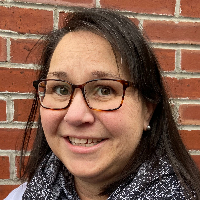
Missouri · 29 yrs exp
Calm guidance for life transitions
Stress, Anxiety · Relationship · Family · Parenting · +9 more
Read profile
Missouri · 26 yrs exp
Warm clinician focused on meaningful change
Trauma and abuse · Grief · Self esteem · Depression · +6 more
Read profile
Missouri · 4 yrs exp
Compassionate counselor for practical change
Stress, Anxiety · Trauma and abuse · Self esteem · Depression · +1 more
Read profile
Missouri · 15 yrs exp
Experienced Missouri LPC focused on practical support
Stress, Anxiety · Relationship · Trauma and abuse · Self esteem · +1 more
Read profile
Missouri · 11 yrs exp
Practical support for life transitions
Grief · Anger · Self esteem · Career · +1 more
Read profile
Missouri · 29 yrs exp
Supportive LCSW for major life transitions
Stress, Anxiety · Trauma and abuse · Grief · Depression · +1 more
Read profile
Missouri · 7 yrs exp
Practical, skills-focused counseling with a compassionate approach
Stress, Anxiety · Relationship · Grief · Depression · +13 more
Read profile
Missouri · 30 yrs exp
Experienced LCSW focused on practical solutions
Relationship · Parenting · Anger · Depression · +12 more
Read profile
Missouri · 14 yrs exp
Practical, goal-focused counseling for everyday life
Stress, Anxiety · Family · Trauma and abuse · Parenting · +7 more
Read profile
Missouri · 9 yrs exp
Compassionate, practical therapy for mood and life changes
Stress, Anxiety · Grief · Anger · Depression · +8 more
Read profile
Missouri · 21 yrs exp
Experienced LCSW helping adults navigate life challenges
Stress, Anxiety · Grief · Anger · Bipolar · +9 more
Read profile
Missouri · 15 yrs exp
Compassionate counselor focused on practical change
Stress, Anxiety · Trauma and abuse · Grief · Anger · +1 more
Read profile
Missouri · 25 yrs exp
Experienced LCSW focusing on practical support
Anger · Self esteem · Depression · Coping with life changes · +15 more
Read profile
Missouri · 8 yrs exp
Practical, honest therapy for real life struggles
Stress, Anxiety · Relationship · Self esteem · Coping with life changes · +4 more
Read profile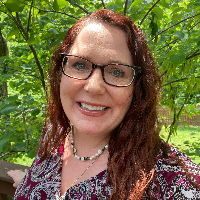
Missouri · 12 yrs exp
Warm, practical counseling for relationship and life challenges
Relationship · Family · Trauma and abuse · Bipolar · +12 more
Read profile
Missouri · 45 yrs exp
Calm, collaborative counseling with an experienced LPC
Stress, Anxiety · Relationship · Family · Parenting · +15 more
Read profile
Missouri · 10 yrs exp
Practical counseling for everyday struggles
Stress, Anxiety · Trauma and abuse · Self esteem · Depression · +13 more
Read profile
Missouri · 8 yrs exp
Supportive, practical care focused on growth
Stress, Anxiety · Trauma and abuse · Depression · Coping with life changes · +8 more
Read profile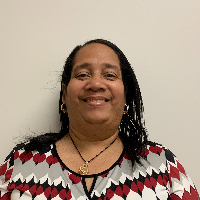
Missouri · 10 yrs exp
Accessible, practical psychotherapy for everyday challenges
Stress, Anxiety · Relationship · Trauma and abuse · Self esteem · +10 more
Read profile
Missouri · 5 yrs exp
Practical, respectful therapy with clear coping skills
Stress, Anxiety · Family · Trauma and abuse · Self esteem · +15 more
Read profile
Missouri · 15 yrs exp
Practical counseling for everyday challenges
Stress, Anxiety · Relationship · Family · Parenting · +16 more
Read profile
Missouri · 26 yrs exp
Care guided by experience and compassion
Stress, Anxiety · Relationship · Grief · Anger · +12 more
Read profile
Missouri · 4 yrs exp
Compassionate, practical therapy for life challenges
Stress, Anxiety · Relationship · Family · Intimacy-related issues · +12 more
Read profileIf you or someone you support is considering therapy, it helps to start with what matters most to you. You may be looking for emotional support with stress, guidance on relationships, help building daily living skills, or a place to talk about identity and independence. Keep your priorities in mind when you read profiles. Notice whether a clinician lists experience working with adults with an intellectual disability and whether the profile mentions the kinds of concerns you want to address. Profiles may highlight languages spoken, clinical approaches, or the kinds of settings practitioners have worked in. Those details can help you narrow your search, but they are not proof of a specific outcome or qualification to practice in every situation. As you compare profiles, think about practical factors that matter to you - such as whether you prefer someone who mentions collaborative work with carers and family members, or someone who describes long-term work focused on relationship and coping strategies.
Remember that a listed location on a profile groups professionals by region but does not guarantee a physical office nearby or an ongoing relationship with every resident. When you find a profile that seems like a fit, check the profile for contact instructions and ask directly about how the practitioner works with adults who have similar needs to yours. Confirming permission to work together where you live is an important early step.
Profiles show a listed location that lets you search by geography, but a listed location does not necessarily mean an in-person office at that address. Some clinicians may work remotely across state or national borders depending on local rules, and others may offer only in-person meetings. When reviewing credentials, look for clear distinctions between academic degrees and professional authorization. Degrees such as PhD, PsyD, MA or MSW describe the clinician's education. They do not, on their own, indicate whether someone currently has permission to practice in a particular place.
Professional permission can be described differently depending on where the clinician trained or practices. In the United States, look for a current state-issued license or an explicit statement about the states in which the clinician is authorized to work. In the United Kingdom and Australia, clinicians may list a registration or membership with a recognized regulatory or professional body; those entries indicate a different system for oversight than a US state license. Profiles can mention both degrees and registrations or licenses, but if you need confirmation about where a clinician may legally offer therapy, ask them directly. That conversation is also the right time to check whether the clinician routinely works with adults who have an intellectual disability and whether they have experience collaborating with carers or family members when that is helpful to you.
When you contact a clinician, preparing a few concrete questions will make the first conversation more productive. Ask which focus areas they list and how they typically work with adults with an intellectual disability. A useful question is: Do you regularly work with adults who have an intellectual disability and with the kinds of issues I want to address? If a clinician lists particular approaches, you can ask how they adapt those approaches when working with different communication styles and learning needs. For example, you might say: I noticed you list CBT or family systems among your approaches - how do you adapt those approaches when working with adults who have an intellectual disability?
Also ask about practical aspects of the therapeutic relationship. You can ask how they involve carers or family members, what they consider when setting goals, and how they measure progress in a way that makes sense for you. If you prefer a clinician who uses visual aids, concrete tasks, or shorter sessions, mention that and ask whether they have experience offering those options. Keep in mind that a profile entry stating an approach is not evidence of formal certification in that approach; frame questions as invitations to explain how they apply particular methods in practice.
If you are considering online care, there are specific topics to cover so you know what to expect. Start by confirming whether the clinician indicates permission to work with clients where you live and which regions or states they are able to serve. Ask how they handle consent, session notes and documentation, and what communication methods they use outside of sessions for scheduling or brief updates. You should also ask how they manage urgent concerns and what local supports or crisis resources they recommend, since a clinician working remotely may direct you to local services when needed.
Accessibility is another important point to raise. If you need communication adaptations - such as captioning, simplified language, visual materials, or extra time to process questions - describe those needs and ask how the clinician accommodates them. Discussing technology preferences and backup plans for connection issues will reduce disruption. Finally, if you plan to involve carers or family members in sessions, talk about how consent and information-sharing boundaries are handled in remote work, and how participation by others is scheduled and recorded. These conversations help you make an informed choice about whether online care fits your needs and what adjustments might improve your experience.
Comparing profiles requires attention to both concrete facts and the tone of the description. Start by checking whether a clinician lists intellectual disability as a focus area, and read how they describe working with it. Profiles that mention collaboration with carers, attention to day-to-day independence, or experience addressing relationship and emotional concerns may align with the priorities you identified earlier. Pay attention to languages listed so you can find a clinician who communicates in the language you prefer. Profiles that mention experience working with interpreters or multilingual practice can be especially relevant if you want bilingual support.
Look at degrees and professional authorizations separately. A clinic listing a PhD or MSW indicates a particular educational path. A profile that also lists a state license, a UK registration, or an Australian membership provides different information about professional oversight. If a profile does not make it clear where the clinician is authorized to work, include that in your initial questions. Assess therapeutic style by reading the language the clinician uses - whether they describe collaborative goal-setting, practical skill-building, long-term support, or family involvement. That phrasing gives clues about how they work day to day. When you find profiles that seem promising, use the questions suggested earlier to compare specifics, and always confirm permission to work together where you live before proceeding to ongoing contact.
Making a choice about therapy is a personal step and one that benefits from clear information. Use profiles to gather facts, prepare concrete questions about approach and experience, and discuss practical needs up front. That way you can focus conversations on fit and on the kinds of support that matter most to you and the adults with an intellectual disability in your life.
ADHD
1417 therapists
Anger
1470 therapists
Autism
1419 therapists
Chronic Illness
1099 therapists
Depression
1976 therapists
Disability
1099 therapists
Grief
1625 therapists
Intellectual Disability
2227 therapists
Isolation / Loneliness
1755 therapists
Self Esteem
1930 therapists
Social Anxiety and Phobia
1739 therapists
Stress & Anxiety
2126 therapists
Trauma and Abuse
1799 therapists
Traumatic Brain Injury
662 therapists
Career
1350 therapists
Caregiver Issues and Stress
1544 therapists
Communication Problems
1835 therapists
Compassion Fatigue
1217 therapists
Coping with Life Changes
1799 therapists
Family
1617 therapists
Life Purpose
1774 therapists
Parenting
1441 therapists
Relationship
1749 therapists
Workplace Issues
1535 therapists