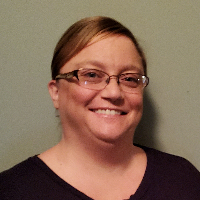
Therapist
Rochelle Rheingans
LPCC, LMHC
Experienced counselor using practical skills
Opens BetterHelp in a new tab. There you can look at online therapy options.
Step 1
- 13 years experience
- Client-centered approach
- Minnesota based
About Rochelle
Rochelle adapts her counseling style to each person. She treats clients as whole people rather than a list of problems. That means connecting strengths in one area of life to solve challenges in another. She also uses humor, normalizing, and skill-building to help clients develop practical ways to cope.
Her work includes approaches such as Cognitive Behavioral Therapy (CBT) and Dialectical Behavior Therapy (DBT), along with client-centered and mindfulness-based ways of working. She helps people practice self-compassion and develop tools they can use outside sessions. Motivational interviewing is part of how she supports change when clients feel stuck.
Rochelle does not present therapy as a quick fix. She stays alongside clients through the hard parts and the wins. She describes herself as an advocate and supporter who will cheer on progress and help navigate setbacks.
People who reach out should expect clear, practical conversation and focused skill practice. If you want a therapist who balances firmness with warmth, Rochelle aims to offer that mix while helping you meet daily life demands.
Step 2
Areas of expertise
Primary focus
Also works with
Additional focus areas
Therapeutic approaches
Experience
13+ years
Credentials
Minnesota, Washington, Iowa
Languages
English
Step 3
How Rochelle’s Approaches Work in Online Care
Client-centered work focuses on listening and following the person's priorities. The therapist creates space for people to set goals and guide the pace of work, which helps when life feels overwhelming.Cognitive Behavioral Therapy (CBT) looks at thoughts, behaviors, and feelings to find practical changes. It is useful for anxiety, depression, sleep problems, and day-to-day coping skills because it emphasizes small, testable steps.
Dialectical Behavior Therapy (DBT) brings skills for managing strong emotions and improving relationships. It teaches techniques for distress tolerance, emotional regulation, and clearer communication.
Choosing the right approach is a collaborative process. The therapist will talk with you about needs, goals, and what feels most helpful. Together you can try methods and adjust the plan as progress and priorities change.
Because the biography does not list specific session formats, confirm the current online options before booking. Many people find online sessions helpful for fitting therapy into a busy schedule, shortening commute time, or keeping appointments when life is unpredictable. Licensed professionals can use this flexibility to focus on skill practice, check-ins, and real-world assignments that fit daily life.
Step 4
Frequently asked questions
What kinds of concerns does Rochelle help with?
She works with stress, anxiety, depression, coping with life changes, relationship and intimacy issues, grief, trauma and abuse, parenting and caregiver stress, ADHD, bipolar concerns, and related topics.
How would you describe her therapy style?
The approach is practical and person-focused. She uses humor, normalizing, skill building, and self-compassion to help people apply changes in everyday life.
What is her clinical background?
Rochelle has 13 years of experience in clinical work and has spent many years in private practice helping people with mood, anxiety, personality, and adjustment concerns.
What credentials and location apply to this therapist?
She holds LPCC and LMHC credentials and practices in Minnesota.
Are sessions available in other languages or internationally?
Sessions are offered in English. International clients are not currently accepted.
Which session formats are offered?
Please confirm current session options before booking, as the biography does not specify which formats are used.
How are fees and billing handled?
Cost varies with location and therapist availability; sessions use a subscription that can be canceled at any time.
What are the first steps to start working together?
Select the Start Therapy button, complete a short matching questionnaire, and schedule according to the therapist's availability.
Step 5