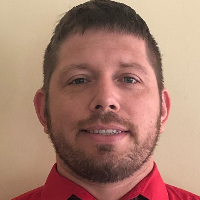
Therapist
Richard Rodgers
LCSW
Practical support for trauma, addiction, and life changes
Opens BetterHelp in a new tab. There you can look at online therapy options.
Step 1
- Ten years experience
- LCSW in Indiana
- Focus on addiction
About Richard
He began helping others after serving with the Army National Guard and seeing the impact of substance abuse and trauma on fellow service members. That background led him to earn a Master of Social Work and to work across inpatient and outpatient settings. His experience includes supporting people with depression, bipolar disorder, ADHD, and complex trauma reactions.
In sessions he uses a range of approaches and adapts them to the person in front of him. He emphasizes practical skills for day-to-day coping, improving relationships, and managing intense emotions. He also addresses concerns that often come with chronic illness or disability and the stress of major life changes.
Richard aims to build a collaborative plan with each client. He explains options clearly, checks in on what is working, and adjusts strategies over time. This makes therapy a shared process rather than a one-size-fits-all model.
Outside work he spends time with family and pets and enjoys live events. That balance is part of how he stays grounded and brings steady, compassionate attention to the work in the therapy room.
Step 2
Areas of expertise
Primary focus
Also works with
Additional focus areas
Therapeutic approaches
Experience
10+ years
Credentials
Illinois, Indiana, Arizona
Languages
English
Step 3
How his approaches translate to online work
Acceptance and Commitment Therapy (ACT) helps people notice thoughts and feelings without getting stuck in them and then choose actions that match their values. It can be helpful for anxiety, depression, and coping with long-term problems. Cognitive Behavioral Therapy (CBT) looks at the links between thoughts, feelings, and behavior and teaches practical skills for changing unhelpful patterns, often useful for anxiety, depression, and sleep issues. Attachment-Based Therapy focuses on how early relationships shape current patterns and can help with intimacy, relationship struggles, and trust issues.Finding the right approach is part of the work. Richard will talk with each person about goals and preferences and then suggest ways to proceed. He treats the selection of methods as collaborative and makes adjustments as progress is reviewed.
Session formats are not specified in the biography, so confirm current options before booking. Many people find therapy online helps fit care into busy schedules, makes it easier to maintain consistency, and allows shorter check-ins when time is limited. Online work can support practicing skills between sessions and keeping therapy connected to everyday life without needing long travel time.
Step 4
Frequently asked questions
What kind of concerns does he help with?
He helps people with stress, anxiety, addiction, trauma and abuse, grief, depression, bipolar disorder, ADHD, relationship and intimacy issues, and other life challenges.
What is his therapy style like?
He uses a practical, collaborative style that combines skill-building with listening and problem solving. Sessions focus on what the person needs in day-to-day life.
What experience does he bring to sessions?
He has about 10 years of work in mental health and addiction, including roles in both inpatient and outpatient settings and experience supporting veterans.
What credentials and region are listed?
He holds the Licensed Clinical Social Worker credential (LCSW) and practices in Indiana.
Which languages are supported for sessions?
Sessions are offered in English.
Can people outside the U.S. work with him?
He does not accept international clients at this time.
How are costs handled?
Cost varies with location and scheduling; sessions use a subscription that can be canceled at any time.
How do I begin the process?
Use the Start Therapy button, fill out a short matching questionnaire, and schedule according to therapist availability.
Step 5