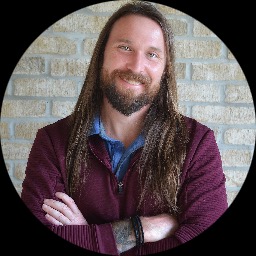
Therapist
Michael Denning
LMHC
Experienced LMHC focused on practical change
Opens BetterHelp in a new tab. There you can look at online therapy options.
Step 1
- Client-centered approach
- Skill-based methods
- Clear goal setting
About Michael
Michael’s style is collaborative and straightforward. He listens first, then helps clients set clear, achievable goals. Sessions focus on small changes that add up over time. He uses talk-based methods and brief skills practice so people can try new ways of coping between meetings.
He draws on client-centered principles to follow each person’s lead, and uses cognitive behavioral techniques to identify unhelpful thinking and change behavior. Mindfulness skills are offered to build present-moment awareness and reduce reactivity. Motivational interviewing and solution-focused methods help people find the motivation and concrete next steps they need.
Across seven years of work in Florida, Michael has worked with people facing trauma, substance challenges, and complicated life transitions. He frames progress as steady and practical, not perfect, and encourages clients to notice small wins. He aims to help people regain a sense of control and move toward clearer choices.
If you want to explore coping strategies, manage mood symptoms, or address relationship and addiction concerns, he invites you to take the first step and begin the matching process.
Step 2
Areas of expertise
Primary focus
Also works with
Additional focus areas
Therapeutic approaches
Experience
7+ years
Credentials
Florida
Languages
English
Step 3
Approaches that translate to online care
Michael often uses client-centered therapy, which means sessions focus on the person’s concerns and priorities. The therapist listens closely, reflects what he hears, and helps clients name goals they want to reach.He also uses cognitive behavioral therapy (CBT) to spot unhelpful thoughts and try different behaviors. CBT gives practical tools for anxiety, depression, sleep problems, and patterns that keep people stuck.
Mindfulness techniques are offered as short practices to calm the body and reduce reactivity. These are presented in simple steps people can try between meetings to notice stress and respond differently.
Finding the right approach is part of the work. Michael will work with each client to choose methods that fit their goals and preferences. That choice is collaborative and can change as progress is made.
Confirm the session formats before booking to know what is currently offered. Online work can make it easier to fit therapy into a busy day, allow shorter check-ins when schedules demand, and reduce travel time. It can also let people practice new skills in real-life routines and bring examples from daily life directly into sessions.
Step 4
Frequently asked questions
What concerns does Michael help with?
He supports people with stress, anxiety, addiction, depression, self-esteem, relationship and intimacy issues, grief, sleep problems, anger, career stress, ADHD, bipolar symptoms, and compassion fatigue.
How would you describe his therapeutic style?
His style is collaborative and practical. He listens first, helps set clear goals, and uses short exercises to build new skills between sessions.
What is Michael's background in years?
He has seven years of professional experience as a licensed mental health counselor working in Florida.
What credentials and location are listed?
He is a Florida LMHC and practices in Florida.
Which languages are available for sessions?
Sessions are offered in English.
Can international clients work with him?
International clients are not currently accepted.
How are fees and billing handled?
Cost varies with location and therapist availability; sessions use a subscription that can be canceled at any time.
How do I begin working together?
Select the Start Therapy button, complete a short matching questionnaire, and schedule sessions according to therapist availability.
Step 5