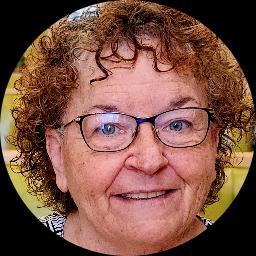
Therapist
Mary Pulscher
LMHC
Compassionate counselor guiding practical change
Opens BetterHelp in a new tab. There you can look at online therapy options.
Step 1
- Person-centered approach
- Solutions and goals
- Aging and caregiver focus
About Mary
Mary uses a straightforward, person-centered style in sessions. She listens closely, helps people identify what matters most, and builds practical steps to reduce distress. Parents and caregivers will find clear, calm guidance for communication problems and caregiver stress.
Her background includes long-term practice helping people cope with chronic illness, aging-related concerns, and the emotional fallout from separation or loss. She draws on psychodynamic ideas to look at patterns that repeat over time. Jungian concepts may be brought in when exploring personal meaning and symbol work.
Motivational interviewing methods are used to support change when people are stuck or ambivalent about next steps. Solution-focused techniques help set small, achievable goals and track progress week to week. Together these approaches aim to make therapy useful and directed toward real-life improvements.
Mary works from Iowa and conducts sessions in English. She has experience across many concerns, including domestic violence, substance use, dissociation, and caregiver burnout. Her style is practical, compassionate, and paced to each person's needs.
Step 2
Areas of expertise
Also works with
Additional focus areas
Therapeutic approaches
Experience
30+ years
Credentials
Iowa
Languages
English
Step 3
How Mary’s Approaches Translate to Online Work
Mary uses client-centered therapy to create a supportive space where people feel heard. This approach focuses on listening and reflecting back what matters most so clients can name priorities and decide next steps.She also draws on solution-focused methods to set small, actionable goals. These techniques are useful for tackling immediate problems like stress, communication difficulties, and caregiver tasks by tracking progress in short steps.
Finding the right approach is a collaborative process. Mary will work with each person to choose methods that match their goals and comfort level, and she adjusts strategies as progress unfolds.
Practical benefits of online therapy include fitting sessions into a busy day and reducing travel time. Because the biography does not list specific formats, confirm the session options before booking. Many people find remote sessions helpful for steady check-ins, goal tracking, and when shorter or more frequent meetings are useful.
Step 4
Frequently asked questions
What kinds of concerns does Mary address?
She helps people with stress, anxiety, depression, grief, trauma, self-esteem, addictions, ADHD, bipolar mood issues, and life changes among other concerns.
What is her therapeutic style like?
Mary blends client-centered listening with practical techniques. Sessions emphasize clear steps, goal-setting, and exploration of patterns that keep problems recurring.
How much clinical experience does she have?
Mary brings 30 years of clinical experience working with a wide range of emotional and behavioral issues.
Where is Mary located and what credential does she hold?
She practices in Iowa and holds the LMHC license listed as IA LMHC.
Which languages are supported for sessions?
Sessions are offered in English and she accepts international clients.
What session formats are offered?
The original biography does not specify session formats; please confirm current session options before booking.
How are fees handled?
Cost varies with location and therapist availability; sessions use a subscription that can be canceled at any time.
How do I begin working with Mary?
Select the Start Therapy button, complete a short matching questionnaire, and schedule according to therapist availability.
Step 5