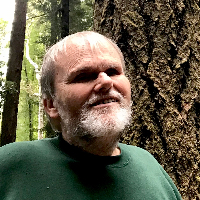
Therapist
Leonard Burns
LMFT
Experienced LMFT focused on life challenges
Opens BetterHelp in a new tab. There you can look at online therapy options.
Step 1
- 35 years experience
- Values-based therapy
- Works with trauma
About Leonard
His approach centers on building an honest working relationship. He believes change begins when a person feels heard and respected. Sessions focus on practical ways to reduce distress and improve day-to-day functioning.
Leonard blends approaches to match each person’s needs. He uses Acceptance and Commitment Therapy to clarify values and increase psychological flexibility. Cognitive Behavioral Therapy is applied to identify and shift unhelpful thoughts and behaviors. He also draws on attachment-informed work to look at relationship patterns and meaning-based conversations influenced by existential ideas.
Clients often bring complex histories, including long-term trauma, caregiving burdens, or struggles with identity and belonging. Leonard aims to help people find steadier footing, manage symptoms, and make choices that fit their values. He acknowledges change can be hard and often messy.
He practices in California as an LMFT and conducts sessions in English. People interested in exploring intellectual disability concerns can mention that when they begin the intake process so the approach can be tailored appropriately.
Step 2
Areas of expertise
Primary focus
Also works with
Additional focus areas
Therapeutic approaches
Experience
35+ years
Credentials
California
Languages
English
Step 3
How his approaches guide online work
Acceptance and Commitment Therapy (ACT) helps people clarify what matters to them and take small steps toward those values even when emotions are strong. It is useful for anxiety, depression, and coping with life changes. Cognitive Behavioral Therapy (CBT) focuses on spotting and changing unhelpful thoughts and routines to reduce symptoms and improve daily functioning. Attachment-Based Therapy looks at patterns in close relationships and helps people try new ways of relating when past hurts shape current behavior.Finding the right approach is part of the work. Leonard treats therapy as a collaboration. He listens to the client’s goals and adjusts methods to fit needs, combining approaches when helpful. Over time, the pair checks whether an approach is working and shifts course as needed.
Confirm the available session formats before booking so you know how sessions are scheduled. Online work can make it easier to fit appointments into a busy life, shorten check-ins on hectic days, or remove travel time so a session can occur between other obligations. Many people find remote sessions help maintain continuity of care when life is unpredictable; the therapist will discuss what will make sessions practical and useful for each person.
Step 4
Frequently asked questions
What kinds of concerns does Leonard address?
He helps with stress, anxiety, depression, relationship and intimacy issues, trauma and abuse, grief, addictions, ADHD, and caregiving or chronic illness challenges.
How would you describe his therapy style?
He focuses on building an honest working relationship and uses practical conversations to reduce distress and improve daily life.
What experience does he bring to complex cases?
He has 35 years of clinical work helping people recover from complex PTSD, long-term anxiety and relationship problems.
What credentials and region should I know about?
He is a Licensed Marriage and Family Therapist, LMFT, practicing in California.
Which languages are offered for sessions?
Sessions are offered in English.
What session formats are available?
Please confirm current session options before booking so you know which formats are offered for appointments.
How is cost handled for sessions?
Cost varies with location and therapist availability; sessions use a subscription that can be canceled at any time.
How do I begin working with him?
Select the Start Therapy button, complete a short matching questionnaire, and schedule according to therapist availability.
Step 5