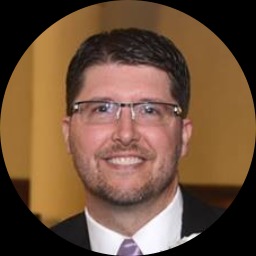
Therapist
Donald Owen
LPC
Compassionate counselor focused on practical change
Opens BetterHelp in a new tab. There you can look at online therapy options.
Step 1
- 25 years experience
- Michigan LPC
- Supports ADHD concerns
About Donald
He uses clear, respectful conversation to identify what matters most to each person. Sessions are shaped around the individual's goals, not a one-size-fits-all script. He aims to create a calm space where people can name their struggles and work toward practical changes.
With 25 years in the field, Owen draws on long experience to guide problem-solving and emotional coping. He listens for patterns that keep people stuck, then helps them try different ways of handling those moments. The focus is on tools that can be used day to day, not only ideas to think about.
He is attentive to difficult life transitions such as loss, separation, caregiving stress, chronic illness, and aging concerns. He also assists with issues like codependency, attachment concerns, dissociation, and the emotional effects of major events or disasters.
People who choose him can expect straightforward feedback and practical strategies. He adjusts pace and goals as needed, helping clients build habits that support better functioning and more satisfying relationships.
Step 2
Areas of expertise
Also works with
Additional focus areas
Experience
25+ years
Credentials
Michigan
Languages
English
Step 3
Evidence-based techniques and online flexibility
Donald Owen draws on well-established, evidence-based therapeutic techniques that focus on real-world change. One common approach is problem-focused work that identifies unhelpful patterns and teaches practical skills for managing stress, anxiety, and mood shifts. This helps people build routines and strategies they can use between sessions.He also uses trauma-informed methods that help people process difficult experiences at a pace that feels manageable. This work emphasizes safety, pacing, and grounding strategies to reduce distress and improve day-to-day functioning.
Choosing the right approach is a collaborative process. The therapist will talk with each person about goals, preferences, and what has or hasn’t helped before. Together they decide which techniques to try and adjust the plan as progress is made.
Because the biography does not list specific session formats, confirm current session options before booking. Online therapy can make it easier to fit sessions into a busy life - for example by reducing travel time, allowing shorter check-ins during a lunch break, or avoiding the need to be on camera when that feels better. Speak with the therapist during the match process to learn which session arrangements are available and how they can fit into daily routines.
Step 4
Frequently asked questions
What problems does he help with?
He works with stress, anxiety, depression, trauma and grief, plus issues like addiction, sleep and eating struggles, and relationship or intimacy concerns.
What is his therapy style?
He takes a practical, conversational approach and tailors sessions to each person. Expect direct feedback and hands-on strategies you can try between sessions.
How much experience does he have?
He brings 25 years of professional experience working with a wide range of emotional and life challenges.
What credentials and region are listed?
He is a Licensed Professional Counselor (LPC) licensed in Michigan and practices there.
Which languages are supported?
Sessions are offered in English.
Can I work with him from another country?
He does not accept international clients at this time.
How are sessions paid for?
Cost varies with location and therapist availability; sessions use a subscription that can be canceled at any time.
How do I begin a therapy match?
Click the Start Therapy button, complete a short matching questionnaire, and schedule based on the therapist's availability.
Step 5