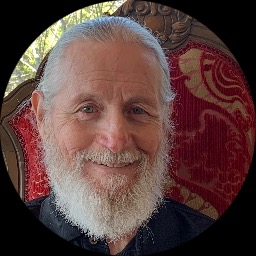
Therapist
Thomas Schenck
LPC
Supportive counselor offering steady practical help
Opens BetterHelp in a new tab. There you can look at online therapy options.
Step 1
- 30 years experience
- Focus on stress and anxiety
- Works with addiction issues
About Thomas
With 30 years of experience, he brings steady, practical support to sessions. He listens first and follows the pace a person sets. He helps people name problems and try small, doable changes. That can mean developing clearer communication, managing anxiety day-to-day, or finding ways to cope with loss.
His work draws on several approaches to match different needs. He uses client-centered methods to build collaboration and trust. He also uses cognitive behavioral ideas to spot unhelpful thinking and try different behaviors. Existential perspectives help people tackle meaning and life transitions when those issues are present.
He often addresses concerns tied to identity and life roles, including LGBT-related topics, parenting stress, caregiving strain, and challenges linked to addiction or trauma. His practice also attends to issues such as sleep, eating concerns, anger, and coping with chronic illness or aging.
Sessions are offered in English and conducted from his Texas practice. If someone wants to begin, they can follow the platform steps to complete a short matching questionnaire and schedule according to availability.
Step 2
Areas of expertise
Primary focus
Also works with
Additional focus areas
Therapeutic approaches
Experience
30+ years
Credentials
Texas
Languages
English
Step 3
How approaches like CBT and client-centered work online
Client-Centered Therapy focuses on listening and following the person's lead, creating a space where they feel heard and understood. It helps people who need support sorting out their feelings and deciding what matters most to them.Cognitive Behavioral Therapy, or CBT, looks at the links between thoughts, feelings, and actions and tests small behavior changes to reduce distress. It often helps with anxiety, depression, sleep problems, and coping with life changes.
Existential ideas invite questions about meaning and purpose during major life transitions or loss, and can help people face uncertainty with clearer direction.
Finding the right approach is part of the work. The therapist will help clients choose methods that fit their goals, needs, and preferences. That choice usually happens through conversation and some trial to see what feels most useful.
Confirm current session formats before booking, since options are managed through the platform. Online therapy can make it easier to fit sessions into a busy life, reduce travel time, and allow quicker check-ins around work or caregiving schedules. Some approaches translate well to shorter focused sessions while others benefit from longer conversations, and the therapist will help plan sessions to match what a person needs.
Step 4
Frequently asked questions
What kinds of concerns can be addressed?
He works with stress, anxiety, addictions, relationship and intimacy questions, grief and loss, depression, ADHD, and many related concerns listed in his specialties.
What is his therapeutic style like?
He takes a client-centered approach that emphasizes listening and collaboration, then adds practical tools such as cognitive behavioral techniques when helpful.
How much experience does he have?
Thomas has 30 years of professional experience supporting people through a wide range of life challenges.
Where is he licensed and based?
He is a Licensed Professional Counselor, LPC, practicing in Texas.
Which languages are supported?
Sessions are offered in English.
Can international clients work with him?
He does not accept international clients at this time.
How are fees and payment handled?
Cost varies with location and therapist availability; sessions use a subscription that can be canceled at any time.
How do I begin working with him?
Select the Start Therapy button, complete a short matching questionnaire, and schedule sessions according to the therapist's availability.
Step 5