Need help now? See crisis phone numbers

Therapist listings are provided by BetterHelp. We will earn a commission at no additional cost to you if you use our links to purchase.

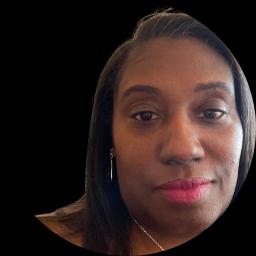
Swiyah Whittington

Therapist

Swiyah Whittington

LPC-MH

Delaware · 3+ years of experience

Hopeful care for practical change

Continue with Swiyah

Opens BetterHelp in a new tab. There you can look at online therapy options.

Step 1

  • Acceptance and action
  • Connection centered
  • Practical coping skills

About Swiyah

Swiyah Whittington is a licensed mental health professional in Delaware. She holds the LPC-MH credential and brings three years of clinical practice to her work. She aims to make the first step into therapy feel manageable and respected. Whittington uses clear, direct conversation to address stress, anxiety, depression, and relationship concerns. She also supports people coping with trauma and abuse, low self-esteem, and motivation struggles. Sessions focus on understanding what matters to each person and on practical steps they can try between meetings. Her broader focus includes attachment concerns, abandonment worries, communication problems, and isolation or loneliness. She also helps people facing chronic illness, intellectual disability, body image concerns, caregiver stress, and issues tied to guilt, shame, or forgiveness. Whittington works with people who experience dissociation, impulsivity, or disruptive mood challenges. Treatment draws on several familiar approaches such as cognitive behavioral work and acceptance and commitment methods. She uses client-centered and emotionally-focused ideas to guide conversations and strengthen emotional connection and coping. The therapist emphasizes collaboration and straightforward goals. Whittington’s background includes many years in the mental health field before her clinical practice years. That experience informs how she listens and how she helps people make small, practical changes. If you are unsure where to start, she asks about your priorities and helps shape an initial plan.

Step 2

Areas of expertise

Additional focus areas

AbandonmentAttachment issuesBody imageCaregiver issues and stressChronic pain, illness, and disabilityCommunication problemsDisruptive Mood Dysregulation Disorder (DMDD)DissociationDomestic violenceForgivenessGuilt and shameImpulsivityIntellectual disabilityIsolation / lonelinessLife purposeMoney and financial issuesMood disordersMulticultural concernsPanic disorder and panic attacksParanoiaPersonality disordersPost-traumatic stressSelf-harmSelf-loveSexualitySocial anxiety and phobiaSomatizationWomen's issues

Therapeutic approaches

Acceptance and Commitment Therapy (ACT)Attachment-Based TherapyClient-Centered TherapyCognitive Behavioral Therapy (CBT)Emotionally-Focused Therapy (EFT)Mindfulness TherapyMotivational InterviewingNarrative TherapySolution-Focused TherapySomatic Therapy

Experience

3+ years

Credentials

Delaware

Languages

English

Step 3

Therapeutic approaches and online options

Acceptance and Commitment Therapy (ACT) helps people clarify what matters most and take small actions that match those values. It is often used for anxiety, stress, and low motivation. Cognitive Behavioral Therapy (CBT) focuses on identifying unhelpful thought patterns and testing new behaviors to reduce symptoms like anxiety or depression. Attachment-Based Therapy looks at patterns in close relationships and can help people who struggle with trust, abandonment fears, or connection problems.

Finding the right approach is part of the work. The therapist will talk with each person about goals, preferences, and what feels most useful. Decisions about methods are made together and can change as needs evolve.

Specific session formats are not listed here, so confirm current options before booking. In general, online therapy can make it easier to fit sessions into a busy week, reduce travel time, and allow shorter check-ins when needed. It can also help people meet consistently while balancing medical care, caregiving, or work demands. Licensed professionals can adapt ACT, CBT, and attachment-focused work to remote sessions, and the therapist will discuss practical logistics and what will work best for daily routines.

Step 4

Frequently asked questions

What concerns does she commonly address?

She works with stress, anxiety, depression, and relationship concerns. Additional focus areas include trauma and abuse, self-esteem, and issues related to intellectual disability.

What is her therapy style like?

Her style is collaborative and straightforward. Sessions center on practical steps, emotional awareness, and building coping skills that fit daily life.

What is her background and experience?

She holds the LPC-MH credential and has three years of professional clinical experience. She also spent many prior years working in the mental health field.

Where is she located and licensed?

She is licensed in Delaware with the credential LPC-MH. Services are provided from that region.

Which languages are supported?

Sessions are offered in English.

Can people outside the U.S. work with her?

International clients are not currently accepted.

How does cost and payment work?

Cost varies with location and therapist availability; sessions use a subscription that can be canceled at any time.

How do I begin working with her?

Start by selecting the Start Therapy button and completing a short matching questionnaire. Then schedule according to therapist availability.

Step 5

Your next step

If this is for you

  • Check that the location and license details fit where you live.
  • Write down one or two things you want to talk about.
  • Take your time. You can read other profiles first.

If you are helping someone

  • Read this page together, at a pace that suits them.
  • Ask what they think about this therapist.
  • Let the person make the choice.
Swiyah WhittingtonContinue with Swiyah