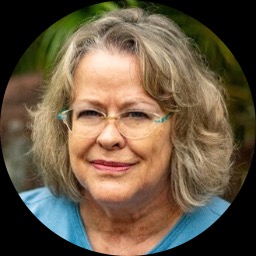
Therapist
Sherry Rantz
LCSW
Experienced Texas LCSW focused on practical support
Opens BetterHelp in a new tab. There you can look at online therapy options.
Step 1
- Strengths based
- Practical strategies
- Compassionate care
About Sherry
Step 2
Areas of expertise
Primary focus
Also works with
Additional focus areas
Therapeutic approaches
Experience
28+ years
Credentials
Texas
Languages
English
Step 3
Therapeutic approaches and working online
Sherry uses a combination of approaches to match what each person needs. Acceptance and Commitment Therapy (ACT) focuses on noticing difficult thoughts and feelings without getting stuck in them, then choosing actions that match your values; it can help with anxiety, depression, and life changes. Cognitive Behavioral Therapy (CBT) looks at patterns of thoughts and behaviors and teaches practical skills to reduce symptoms and improve daily routines. Client-Centered Therapy emphasizes empathic listening and following the person’s pace, which helps people feel heard and respected as they work through concerns.Finding the right approach is part of the work together. The therapist will discuss goals, preferences, and day-to-day challenges to decide which methods to try. That decision is collaborative and can change as needs and goals evolve.
If you are interested in online sessions, confirm the current session options when you book so you know what formats are offered. Online work can make it easier to fit sessions into a busy schedule, allow shorter check-ins when time is limited, and reduce travel time. Licensed professionals can adapt exercises and skill practice for remote sessions so you can keep progress moving even when meeting virtually.
Step 4
Frequently asked questions
What issues does Sherry often help with?
She addresses common concerns such as anxiety, depression, grief, stress, sleep problems, anger, self-esteem, and life transitions. Additional focuses include ADHD, autism and Asperger syndrome, intellectual disability, and LGBT-related issues.
What is her general therapy style?
Her style is respectful and patient, with an emphasis on strengths and practical steps. She blends listening with concrete tools to help people manage emotions and everyday problems.
How long has she practiced?
She brings 28 years of professional work experience from private practice, social service agencies, school social work, and teaching roles.
Where is she licensed and based?
She is a licensed clinical social worker (LCSW) in Texas and practices there.
Which languages are available for sessions?
Sessions are offered in English.
Can people outside the U.S. work with her?
International clients are not currently accepted.
How are fees and billing handled?
Cost varies by location and therapist availability; sessions use a subscription that can be canceled at any time.
What should I do to begin therapy?
Click the Start Therapy button, complete a short matching questionnaire, and schedule based on the therapist's availability.
Step 5