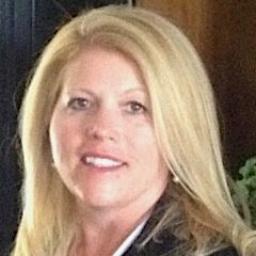
Therapist
Romney Snyder-Croft
LCSW
Practical, compassionate therapy and coaching
Opens BetterHelp in a new tab. There you can look at online therapy options.
Step 1
About Romney
She tailors conversations and plans to each person's needs and circumstances. Romney emphasizes respect, sensitivity, and compassion in sessions. Her approach is direct and collaborative, helping clients set realistic steps and track progress.
Her background includes work with caregiver stress, chronic health issues and disability, and concerns related to adoption and foster care. She also addresses body image, attachment matters, communication problems, and challenges that arise from blended family dynamics. Romney has professional coaching experience that she combines with clinical work to support practical problem solving.
Romney works with adults across a range of life stages and with people affected by aging and geriatric issues. She also has experience related to autism and Asperger Syndrome and to coping after natural or human-caused disasters. Sessions aim to help people manage symptoms and build routines that fit daily life.
Her style centers on clear goals and compassionate support. Romney invites clients to explore change at a pace that feels manageable while helping them build skills for lasting improvement.
Step 2
Areas of expertise
Primary focus
Additional focus areas
Experience
20+ years
Credentials
Illinois, Tennessee
Languages
English
Step 3
How evidence-based approaches translate to online work
Many evidence-based therapeutic techniques focus on identifying patterns, building skills, and practicing changes between sessions. Romney uses goal-oriented coaching methods to break problems into clear steps and track progress over time, which helps with stress, anxiety, and life transitions. She also draws on therapeutic strategies that address mood and eating concerns by teaching coping skills, problem solving, and routines that support physical and emotional health.Choosing the right approach is part of the work together. Romney will discuss options with each person, consider their goals and daily life, and collaboratively decide which methods to try first. The plan can be adjusted as progress is reviewed so therapy stays aligned with what a person needs.
Confirm current session options before booking since specific online formats are not listed here. Online therapy can make it easier to fit sessions into a busy week, reduce travel time, and allow shorter check-ins when schedules require them. It can also help people maintain regular contact while balancing caregiving, work, or medical appointments.
Step 4
Frequently asked questions
What kinds of concerns does Romney help with?
She works with stress, anxiety, eating concerns, depression, and coping with life changes. Additional focus areas include caregiver stress, chronic illness and disability, body image, and adoption or foster care related issues.
How would you describe her therapeutic style?
Her style is practical and collaborative. She uses goal-focused conversations and coaching techniques alongside traditional therapy to set steps clients can use between sessions.
What experience does she bring to therapy?
She has 20 years of professional work experience across clinical and coaching roles. That background includes work with caregiver issues, chronic health conditions, and executive or professional coaching.
Where is Romney licensed and based?
Romney holds LCSW credentials and is licensed in Illinois and Tennessee. Her practice is based in Tennessee.
Which languages are supported in sessions?
Sessions are offered in English.
Can people from other countries work with her?
International clients are not currently accepted.
How are session costs handled?
Cost varies with location and therapist availability; sessions use a subscription that can be canceled at any time.
How do I begin the process?
Click the Start Therapy button, complete the short matching questionnaire, and schedule according to therapist availability.
Step 5