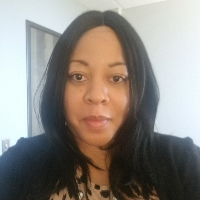
Therapist
Latasha Shannon
LMSW, LCSW
Experienced, practical therapy for life challenges
Opens BetterHelp in a new tab. There you can look at online therapy options.
Step 1
- 19 years experience
- Client-centered care
- Focus on coping
About Latasha
Her style is warm and direct. Sessions aim to be a space for honest talk and steady problem solving. She listens for what matters most and helps people set small, realistic steps they can use between meetings.
Latasha blends several evidence-informed approaches to match a person's needs. She uses client-centered methods to follow the client's priorities, cognitive behavioral techniques to change unhelpful thinking and behavior, and dialectical skills to manage intense emotions. Mindfulness and emotionally focused methods also inform her work when relevant.
Many people come for help with relationship strain, grief, workplace stress, or struggles with mood and substance use. She also lists intellectual disability among areas of focus and works to adapt interventions so they fit each person's abilities and goals.
Her practice pays attention to life stage issues such as aging and end-of-life conversations, as well as challenges like codependency, commitment concerns, and impulsivity. The overall aim is to help people gain clearer coping tools and greater day-to-day stability.
Step 2
Areas of expertise
Primary focus
Also works with
Additional focus areas
Therapeutic approaches
Experience
19+ years
Credentials
Michigan, Arizona, Kentucky
Languages
English
Step 3
Approaches that guide online therapy choices
This work often uses client-centered therapy to keep the client's goals front and center. That approach emphasizes listening, reflecting what the client says, and letting the person lead the pace and topics of therapy.Cognitive behavioral therapy, or CBT, is used to identify patterns of thought and behavior that cause distress and to build practical strategies for change. CBT is commonly chosen for anxiety, depression, and stress management.
Dialectical behavior therapy, DBT, offers skills for managing strong emotions and improving relationships through techniques like distress tolerance and emotional regulation.
Choosing the right approach is part of the process and is done together. The therapist will discuss goals, try methods that fit those goals, and adjust based on what helps most. This is a collaborative effort that aims for clear, workable steps.
Confirm the specific session formats before booking, as the profile does not list formats explicitly. Many people find online sessions make it easier to fit therapy into a busy week, allow shorter check-ins when needed, or avoid travel time. Talk with the therapist about how to schedule sessions so they work with daily life and responsibilities.
Step 4
Frequently asked questions
What concerns does Latasha help with?
She works with a wide range of issues including stress, anxiety, depression, trauma, addictions, relationship and family problems, grief, and compassion fatigue.
What is her general therapy style?
Her approach is warm and practical, focusing on listening, setting realistic steps, and teaching skills clients can use between sessions.
How much clinical experience does she have?
She has 19 years of experience providing therapy in clinical settings and private practice.
What are her credentials and where is she based?
She holds the credentials LMSW and LCSW and practices in Michigan.
Which languages are supported for sessions?
Sessions are offered in English.
Can international clients work with her?
She does not accept international clients at this time.
How are sessions scheduled and what does it cost?
Cost varies with location and therapist availability; sessions use a subscription that can be canceled at any time.
How do I begin working with her?
Select the Start Therapy button, complete a short matching questionnaire, and schedule according to therapist availability.
Step 5