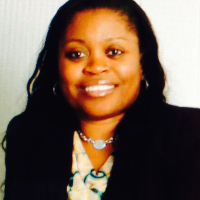
Therapist
Dr. Latasha McIlwaine
LPC
Compassionate, practical support for everyday challenges
Opens BetterHelp in a new tab. There you can look at online therapy options.
Step 1
- Addiction and recovery support
- Relationship and self-esteem help
- Focus on intellectual disability
About Latasha
Dr. McIlwaine uses short-term, goal-focused tools alongside skills that build emotional balance. She combines cognitive-behavioral techniques with mindfulness and motivational strategies to address negative thinking and unhelpful behavior. She also works with issues related to intellectual disability in ways that respect each person’s pace and needs.
Her background includes practice across North Carolina, South Carolina, and Georgia and work as an educator for counseling students. That experience informs a direct teaching style in sessions - explaining why a tool helps and how to use it between meetings. Sessions often focus on simple exercises, real-world problem solving, and steps you can try right away.
Clients can expect conversations about how patterns started, what keeps them going, and what small changes might make daily life easier. She also addresses family transitions, blended family concerns, codependency, and domestic violence-related issues when relevant to a person’s goals.
Outside clinical work she is an author who writes about her own path through hardship to a counseling career. That perspective shapes a practical, empathetic approach that centers on helping people build more stable routines and stronger self-regard.
Step 2
Areas of expertise
Primary focus
Additional focus areas
Therapeutic approaches
Experience
18+ years
Credentials
North Carolina, South Carolina, Georgia
Languages
English
Step 3
How her approaches translate to online care
Many of her methods move well to online work and can be taught in clear, step-by-step ways. Cognitive Behavioral Therapy (CBT) focuses on identifying unhelpful thoughts and testing them with real-world experiments, which helps with depression, anxiety, and patterns that fuel addiction. Dialectical Behavior Therapy (DBT) emphasizes skills for emotional regulation, distress tolerance, and stronger interpersonal boundaries, useful for relationship strain and intense emotions. Mindfulness Therapy teaches simple attention and breathing practices to reduce reactivity and improve day-to-day coping.Finding the right mix of approaches is part of the process. She will collaborate with each person to decide which methods fit their goals and preferences, and adjust techniques as progress is made. The aim is a practical plan you can practice between sessions.
The therapist's biography describes tele-therapy in private practice, so confirm the exact session formats before booking. Online sessions can make it easier to fit therapy into a workday, reduce travel time, and allow shorter check-ins when schedules are tight. They also let the therapist demonstrate exercises, review worksheets together, and track progress over time, so therapeutic work stays connected to daily life.
Step 4
Frequently asked questions
What concerns does Dr. McIlwaine help people with?
She works with depression, addictions, relationship and self-esteem issues, and career concerns. Additional focus areas include intellectual disability, autism and Asperger syndrome, blended family issues, codependency, and domestic violence related concerns.
What is her therapeutic style like?
Her style is practical and educational, with clear tools you can use between sessions. She blends goal-focused techniques with skills training and mindfulness exercises.
How much experience does she have?
She has 18 years of clinical experience working in North Carolina, South Carolina, and Georgia and has taught undergraduate and graduate counseling students.
What credentials does she hold and where is she based?
She is a Licensed Professional Counselor (LPC) and practices in North Carolina.
In which languages are sessions offered?
Sessions are offered in English and international clients are accepted.
What session formats are available?
The original biography notes tele-therapy in private practice; please confirm current session options before booking to ensure they meet your needs.
How much do sessions cost?
Cost varies with location and therapist availability; sessions use a subscription that can be canceled at any time.
How do I begin working with her?
Use the Start Therapy button, complete a short matching questionnaire, and then schedule according to the therapist's availability.
Step 5