Need help now? See crisis phone numbers

Therapist listings are provided by BetterHelp. We will earn a commission at no additional cost to you if you use our links to purchase.

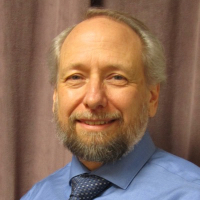
Rev. Jeffrey Bischoff

Therapist

Rev. Jeffrey Bischoff

LPC, LPCC

Ohio · 30+ years of experience

Counselor with pastoral and clinical experience

Continue with Jeffrey

Opens BetterHelp in a new tab. There you can look at online therapy options.

Step 1

  • 30 years experience
  • Client-centered approach
  • Works with trauma

About Jeffrey

Rev. Jeffrey Bischoff is a Licensed Professional Counselor (LPC) and a Licensed Professional Clinical Counselor (LPCC) practicing in Ohio. He brings 30 years of counseling and ministry experience to his work. He began in parish ministry and later moved into social work and clinical counseling roles. Clients meet a clinician who blends pastoral experience with long-term clinical practice. His background includes work in youth ministry, residential care for juveniles, outpatient mental health, and substance use services. He has focused on PTSD recovery, domestic violence, and sexual abuse survivors and offenders, while also addressing common concerns like depression and anxiety. He trained in Clinical Pastoral Counseling and has experience as a Spiritual Director, which he may include if a client wants that perspective. Jeffrey uses a largely non-directive style. He combines Cognitive Behavioral Therapy and Motivational Interviewing within a client-centered, solution-focused frame. Sessions often focus on practical steps, clearer choices, and changes people can make between meetings. He aims to help people manage stress, anger, addiction, grief, relationship pain, ADHD, and other mood or life-change issues. People can expect a calm, empathetic listener who encourages honest conversation. He adapts how much spirituality appears in sessions to each person’s wishes. His long career means he is familiar with many life contexts and challenges. For parents worried about intellectual disability concerns, his profile notes work related to intellectual disability among other focus areas. Prospective clients should use the Start Therapy button to begin the matching and scheduling process.

Step 2

Areas of expertise

Primary focus

Stress, AnxietyTrauma and abuseParenting issuesAnger managementDepression

Also works with

AddictionsRelationship issuesFamily conflictsGriefIntimacy-related issuesSelf esteemCareer difficultiesBipolar disorderCoping with life changesADHD

Additional focus areas

Antisocial personalityCommunication problemsControl issuesDomestic violenceEmptinessFamily problemsFatherhood issuesForgivenessGuilt and shameIntellectual disabilityIsolation / lonelinessLife purposeMen's issuesMidlife crisisMood disordersPanic disorder and panic attacksPersonality disordersPhobiasPost-traumatic stressSexual assault and abuseSocial anxiety and phobiaWorkplace issues

Therapeutic approaches

Acceptance and Commitment Therapy (ACT)Client-Centered TherapyCognitive Behavioral Therapy (CBT)Motivational InterviewingSolution-Focused TherapyTrauma-Focused Therapy

Experience

30+ years

Credentials

Ohio, Michigan

Languages

English

Step 3

How his approaches translate to online care

Acceptance and Commitment Therapy (ACT helps people notice difficult thoughts and feelings without getting stuck in them, then clarify values and take small committed steps toward a chosen life. Cognitive Behavioral Therapy (CBT focuses on identifying unhelpful thinking and behavior patterns and testing practical changes that reduce distress and improve daily functioning. Client-Centered Therapy emphasizes a supportive, nonjudgmental relationship where the therapist listens closely and follows the client’s lead to build insight and motivation.

Finding the right approach is part of the work together. The therapist collaborates with each person to choose or blend methods that match their goals, needs, and preferences. That may mean trying a skill-based plan, focusing on values and commitment, or simply having space to be heard while exploring options.

Session formats are not specified in this profile, so confirm current options before booking. In general, online sessions can make it easier to fit therapy into a busy week, shorten travel time, and allow for brief check-ins when schedules are tight. They also let people work with licensed professionals from their own communities without needing longer commutes. The therapist will help decide practical arrangements that fit the client’s life and goals.

Step 4

Frequently asked questions

What kinds of problems does he help with?

He helps people facing stress, anxiety, depression, trauma and abuse, addictions, grief, relationship and intimacy concerns, parenting strain, ADHD, and other mood or life-change issues.

What is his therapy style like?

He practices in a largely non-directive, client-centered way and uses practical tools from Cognitive Behavioral Therapy, Motivational Interviewing, and Solution-Focused Therapy to help people make changes.

How long has he worked in counseling?

He has 30 years of experience across parish ministry, residential care, outpatient counseling, and substance use services.

Where is he licensed and based?

He holds LPC and LPCC credentials and practices in Ohio.

Which languages are supported for sessions?

Sessions are offered in English.

Can international clients work with him?

He does not accept international clients at this time.

How are fees and billing handled?

Cost varies with location and therapist availability; sessions use a subscription that can be canceled at any time.

How do I begin the process?

Click the Start Therapy button, complete a short matching questionnaire, and schedule according to the therapist's availability.

Step 5

Your next step

If this is for you

  • Check that the location and license details fit where you live.
  • Write down one or two things you want to talk about.
  • Take your time. You can read other profiles first.

If you are helping someone

  • Read this page together, at a pace that suits them.
  • Ask what they think about this therapist.
  • Let the person make the choice.
Rev. Jeffrey BischoffContinue with Jeffrey