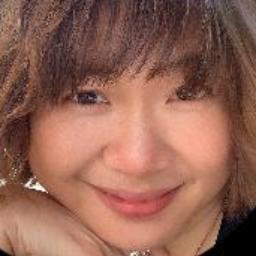
Therapist
Fang Liu
PACFA
Person-centred care for complex life challenges
Opens BetterHelp in a new tab. There you can look at online therapy options.
Step 1
- Person-centred
- Emotion-focused
- PACFA registered
About Fang
Fang works from person-centred and emotionally focused approaches. She aims to make sessions feel collaborative and grounded. People bring practical concerns like stress, anxiety, sleep problems, addiction and depression, and Fang helps them work through these step by step.
Her background includes supporting people affected by trauma, adverse childhood experiences, structural dissociation and post-traumatic responses. She also has experience with neurodiversity matters including autism spectrum differences and ADHD, and with mood conditions such as bipolar disorder.
Fang helps people navigate relationship and intimacy issues, family of origin problems, separation and blended family dynamics. She also supports those facing career stress, compassion fatigue and the practical effects of grief and loss.
Sessions aim to be practical and person-focused. Fang draws on cognitive behavioural ideas and attachment-based thinking when helpful. Conversations include exploring patterns, building coping strategies and finding ways to manage emotions that feel overwhelming.
Step 2
Areas of expertise
Primary focus
Also works with
Additional focus areas
Therapeutic approaches
Experience
5+ years
Credentials
Australia
Languages
English, Mandarin
Step 3
How therapeutic approaches translate to online care
Attachment-based therapy focuses on how early relationships shape current patterns. Online sessions using this approach can help people notice how they relate to others and build more secure ways of connecting. Client-centred therapy puts the person and their experience at the centre of the work, emphasising empathy, listening and pacing that suits each client. This style helps with anxiety, low self-esteem and life transitions by creating space to be heard.Choosing the right approach is part of the process. The therapist will work with the person to identify goals and preferences, and then try approaches that match those needs. That collaborative process includes adjusting style and techniques as therapy progresses so the plan fits what the person actually needs.
Session formats are not specified in the biography, so confirm current options before booking. In general, online work can make it easier to fit counselling into a busy week, reduce travel time and allow a quicker check-in between appointments. Some people find phone or video sessions help them stay consistent with therapy and practice new skills in day-to-day life.
Step 4
Frequently asked questions
What concerns does Fang commonly address?
Fang works with stress, anxiety, depression, addictions and trauma-related problems, plus relationship and intimacy issues and grief.
What is her therapeutic style like?
She uses person-centred and emotion-focused approaches, aiming for collaborative conversations tailored to each person's needs.
How much clinical experience does she have?
Fang has five years of professional counselling experience supporting people with mood, trauma and neurodiversity-related concerns.
Which credential does she hold and where is she based?
She is PACFA registered and practices in Australia.
Which languages are available for sessions?
Sessions are offered in English and Mandarin.
Can international clients work with her?
She does not accept international clients at this time.
How are fees and payment handled?
Cost varies with location and therapist availability; sessions use a subscription that can be cancelled at any time.
How do I start a therapy arrangement?
Select the Start Therapy button, complete a short matching questionnaire, and schedule according to the therapist's availability.
Step 5