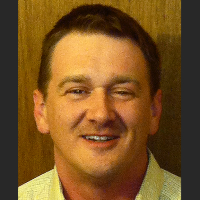
Therapist
Brooks Johnson
LMHC
Experienced LMHC focused on practical change
Opens BetterHelp in a new tab. There you can look at online therapy options.
Step 1
- 27 years experience
- Practical steps
- Values-based care
About Brooks
He uses cognitive-behavioral ideas alongside existential and mindfulness approaches to help people facing depression, anxiety, bipolar issues, and addiction. Sessions often focus on clear steps clients can take between meetings. He also addresses concerns like stress, anger, self-esteem, grief, and intimacy-related challenges.
Brooks adapts his talks to the person in front of him. He listens for each person’s values and beliefs, and he tailors discussions of spiritual matters when clients want that included. He aims for practical changes that fit daily life, not abstract theory.
People dealing with caregiver strain, aging and geriatric issues, or intellectual disability concerns will find his background relevant when those topics come up. He also helps with life transitions such as divorce, career shifts, or end-of-life planning.
In the room, Brooks balances structured techniques with open conversation. He draws from solution-focused and trauma-informed practices to set goals and work through painful memories. The focus is on what a client wants to change and small, doable steps to get there.
Step 2
Areas of expertise
Primary focus
Also works with
Additional focus areas
Therapeutic approaches
Experience
27+ years
Credentials
Florida
Languages
English
Step 3
How these approaches shape online therapy
Brooks commonly uses Cognitive Behavioral Therapy (CBT) to help people identify unhelpful thinking patterns and test new behaviors. CBT gives clear tools for tackling anxiety, depression, mood swings, and impulsive behaviors in everyday life.He also draws on Mindfulness Therapy to teach simple attention and breathing practices that reduce reactivity and improve present-moment awareness. Mindfulness can help with stress, anger, and coping with difficult emotions.
Finding the right approach is part of the work. Brooks will talk with each person about goals, preferences, and what feels most useful. Together they decide whether a structured plan, reflective conversations, or skills practice will move things forward.
Session formats are not spelled out here, so confirm current options before booking. Online sessions can make it easier to fit therapy into a busy schedule, reduce travel time, and allow shorter check-ins when needed. They can also let people practice skills in the places where they live and work, so new behaviors are tried in real life rather than only talked about in the office.
Step 4
Frequently asked questions
What concerns does Brooks commonly address?
He helps people with stress, anxiety, depression, bipolar concerns, addictions, grief, anger, relationship and intimacy-related issues, and many life transitions.
What is his general therapy style?
He blends structured approaches like cognitive-behavioral work with existential and mindfulness ideas, aiming for practical steps between sessions and conversations that reflect a person’s values.
How much experience does he have?
Brooks has 27 years of experience working with a wide range of concerns and draws on both formal education and life experience in his work.
What are his credentials and where is he based?
He is a Licensed Mental Health Counselor, LMHC, licensed in Florida and practices there.
Which languages are sessions offered in?
Sessions are offered in English.
What session formats are available?
Session formats are not specified here; please confirm current session options before booking.
How does payment and cost work?
Cost varies with location and therapist availability, and sessions use a subscription that can be canceled at any time.
How do I begin if I want to work together?
Select the Start Therapy button, complete a short matching questionnaire, and schedule according to therapist availability.
Step 5