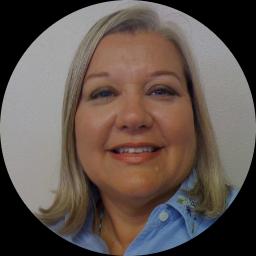
Therapist
Dr. Betsy Puentes
LMFT, LPC
Experienced Texas therapist focused on strengths
Opens BetterHelp in a new tab. There you can look at online therapy options.
Step 1
- 46 years experience
- LMFT and LPC
- Strengths focused
About Betsy
She approaches therapy believing each person knows their life best. She looks for strengths to build on and helps clients take practical steps toward change. The work is collaborative, and she frames progress as steady, often small shifts rather than instant fixes.
Her background includes decades of outpatient practice in Texas and a focus on handling difficult life changes and trauma. She also addresses issues such as abandonment, attachment challenges, caregiver stress, chronic illness and disability, and aging-related concerns. Dr. Puentes brings broad experience across many common life struggles.
Therapeutic methods she uses include acceptance and commitment ideas, cognitive approaches to reshape unhelpful patterns, emotionally-focused work around relationship dynamics, existential questions about purpose, and Imago-based relationship perspectives. These routes give clients several ways to approach their goals.
Dr. Puentes helps people set practical goals and practice new skills between sessions. She emphasizes clear steps - such as testing a small behavior change, practicing a new conversation, or trying attention exercises - so progress can be noticed over time.
Step 2
Areas of expertise
Primary focus
Also works with
Additional focus areas
Therapeutic approaches
Experience
46+ years
Credentials
Texas, Texas
Languages
English
Step 3
How Dr. Puentes' Methods Translate to Online Work
Acceptance and Commitment Therapy (ACT) helps people notice unhelpful thoughts and focus on values-based action. It is useful for anxiety, stress, and making life changes. Cognitive Behavioral Therapy (CBT) looks at the links between thoughts, feelings, and actions and teaches practical skills to shift unhelpful patterns. It is often used for depression and anxiety. Emotionally-Focused Therapy (EFT) concentrates on emotional responses in close relationships and can help people improve communication and emotional connection.Choosing the right approach is part of the process. The therapist will work together with each person to decide which methods fit their goals and preferences. That collaborative decision can change over time as needs evolve.
Confirm current session options before booking, as formats are not specified here. Online work can make it easier to fit sessions into a busy life, allow shorter check-ins when needed, and reduce travel time. It also lets clients practice skills and conversations between meetings in their usual settings, which can help transfer progress into daily routines.
Step 4
Frequently asked questions
What concerns does Dr. Puentes address?
She works with stress, anxiety, depression, self-esteem, career issues, addictions, relationship struggles, trauma and anger, among other life challenges.
What is her therapy style like?
Her approach is collaborative and practical. She helps people identify strengths, set small goals, and practice new skills between sessions.
How much clinical experience does she have?
She brings 46 years of professional experience in mental health practice, including work on complex life changes and trauma.
What credentials and region does she represent?
She holds LMFT and LPC credentials and practices in Texas.
Which languages are supported for sessions?
Sessions are offered in English.
Can international clients work with her?
She is not accepting international clients at this time.
How are sessions priced?
Cost varies with location and therapist availability; sessions use a subscription that can be canceled at any time.
How do I begin working with Dr. Puentes?
Select the Start Therapy button, complete the short matching questionnaire, and schedule according to the therapist's availability.
Step 5