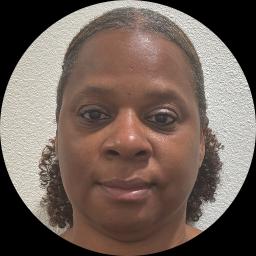
Therapist
Angela Sanders
LPC
Compassionate counselor with a practical focus
Opens BetterHelp in a new tab. There you can look at online therapy options.
Step 1
- Goal oriented
- Practical tools
- Person centered
About Angela
She spent many years in public education and in faith-based nonprofit roles before focusing on clinical practice. That background shaped her approach to common problems like anger, low self-esteem, career questions, and coping with change. Angela often draws on practical skill-building so clients leave sessions with tools they can use right away.
Sessions tend to focus on clear goals and step-by-step progress. She supports clients working through relationship communication problems, control issues, guilt and shame, and feelings of emptiness. Her work also addresses concerns tied to aging, blended family dynamics, body image, and commitment struggles.
Angela has six years of formal counseling experience and brings earlier educational work into the room. She also notes experience with intellectual disability topics among her focus areas, and approaches those concerns from a respectful, person-centered stance. Sessions are conducted in English and reflect her commitment to cultural awareness and collaboration.
To start, she asks people to identify goals and try small changes between sessions. The emphasis is on practical steps, clearer communication, and building resilience so everyday life becomes more manageable.
Step 2
Areas of expertise
Primary focus
Additional focus areas
Experience
6+ years
Credentials
Texas
Languages
English
Step 3
How evidence-based methods fit into online therapy
The therapist uses evidence-based therapeutic techniques that focus on practical skills and measurable steps. One approach emphasizes skill-building for emotional regulation and coping, teaching concrete strategies to manage anger, stress, and overwhelming feelings. Another approach concentrates on improving communication and problem-solving, helping people express needs clearly and negotiate conflicts without escalating.Finding the right approach is a collaborative process. The therapist will discuss goals, preferences, and what has or hasn't helped before, then try methods that fit those needs. Goals are reviewed together so the plan can be adjusted if something does not feel helpful.
If you are considering online therapy, confirm the current session options before booking since formats are not specified in the biography. Online work can make it easier to fit therapy into a busy schedule, reduce travel time, and allow shorter check-ins when needed. It can also make regular weekly appointments more practical for people juggling school, work, or caregiving. Licensed professionals can adapt evidence-based techniques to work well in remote sessions when the format suits the client and the goals.
Step 4
Frequently asked questions
What concerns does she help with?
She works with common struggles such as anger, low self-esteem, career questions, and coping with life changes, plus related areas like communication problems and family issues.
What is her therapy style like?
Her style is warm and straightforward with a focus on practical skill-building and clear goals that people can use between sessions.
How much clinical experience does she have?
She has six years of formal counseling experience and additional background from over two decades in education and community support roles.
What are her credentials and location?
She holds the LPC credential as a Licensed Professional Counselor and practices from Texas.
Which languages are supported in sessions?
Sessions are offered in English.
Does she work with international clients?
International clients are not currently accepted.
How are fees and payment handled?
Cost varies with location and therapist availability; sessions use a subscription that can be canceled at any time.
What steps are needed to begin working together?
Use the Start Therapy button, complete a short matching questionnaire, and schedule according to therapist availability.
Step 5