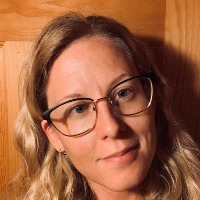
Therapist
Nicole Phelan
LCSW
Calm, practical therapy with clear guidance
Opens BetterHelp in a new tab. There you can look at online therapy options.
Step 1
- Warm and direct
- Nature-focused ideas
- Values-based work
About Nicole
She has worked with people affected by trauma, including physical or sexual trauma and emotional abuse. Nicole also brings experience with attachment issues, obsessive thoughts, and the ripple effects of major life changes. Her background includes military service in the Army Reserve and a tour of duty in Iraq in 2003-2004.
Nicole uses therapies that focus on values, present-moment work, and changing unhelpful thinking patterns. She leans toward active, interactive sessions rather than long lectures. She often suggests simple, real-world activities to practice between meetings.
Outdoor activities and nature are part of her way of helping people rebuild confidence and cope with day-to-day stress. Sessions emphasize small, achievable steps and practical skills to manage emotions and relationships.
People who prefer clear guidance and a compassionate but straightforward style may find her a good match. Nicole works in Maine and conducts sessions in English. If you’re considering therapy, she asks that you take a first step and complete a short matching questionnaire to begin the scheduling process.
Step 2
Areas of expertise
Primary focus
Also works with
Additional focus areas
Therapeutic approaches
Experience
9+ years
Credentials
Maine
Languages
English
Step 3
How her approaches translate to online work
Acceptance and Commitment Therapy (ACT) helps people clarify what matters to them and take small steps toward those values while learning to tolerate difficult thoughts and feelings. Cognitive Behavioral Therapy (CBT) focuses on identifying unhelpful thinking and changing behaviors to reduce symptoms like anxiety and depression. Attachment-Based Therapy looks at patterns in close relationships and helps people build safer, more trusting ways of relating.Choosing the right approach is part of the process. The therapist will collaborate with each person to decide which methods fit their needs, goals, and preferences. That means plans can change as you learn what works and what doesn’t.
The original biography does not list specific online session formats, so confirm current options before booking. Online therapy can make it easier to fit sessions into a busy week, reduce travel time, and allow shorter check-ins when needed. It also supports continuing work between in-person visits and lets people use tools like worksheets or guided exercises during sessions. Licensed professionals will help tailor session length and focus so therapy fits into everyday life rather than replacing it.
Step 4
Frequently asked questions
What kinds of concerns does she help with?
Nicole helps with depression, anxiety, parenting and family stress, ADHD, trauma and abuse, and related issues such as eating concerns, anger, and low self-esteem.
What is her therapeutic style like?
Her style is warm but direct and interactive. She focuses on practical steps, values-based work, and activities you can try between sessions.
How much clinical experience does she have?
She has nine years of experience as a licensed clinical social worker working with a wide range of concerns including PTSD, attachment issues, and mood disorders.
Where does she practice and what are her credentials?
She practices in central Maine and holds the credential ME LCSW, which stands for Licensed Clinical Social Worker in Maine.
Can sessions be held in languages other than English?
Sessions are offered in English.
What session formats are available?
The original biography does not list specific session formats. Please confirm current session options before booking.
How does payment and cost work?
Cost varies with location and therapist availability. Sessions use a subscription that can be canceled at any time.
How do I begin working with her?
Click the Start Therapy button, complete a short matching questionnaire, and schedule according to the therapist's availability.
Step 5